How to Boost Warehouse Productivity Part One

Warehouse Productivity

Productivity is one of the biggest priorities for warehouses. It helps businesses save money, keeps operations running smoothly, and can lead to an increase in customer satisfaction. How can your warehouse boost productivity? The following tips can help.

Invest in More Efficient Equipment

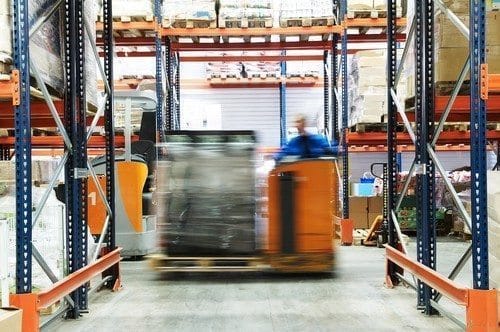
Moving heavy loads from aisle to aisle or around other warehouse areas can be time-consuming. Using a forklift or other traditional equipment may lower productivity. Workers might have a hard time maneuvering them around, especially in tighter spaces.

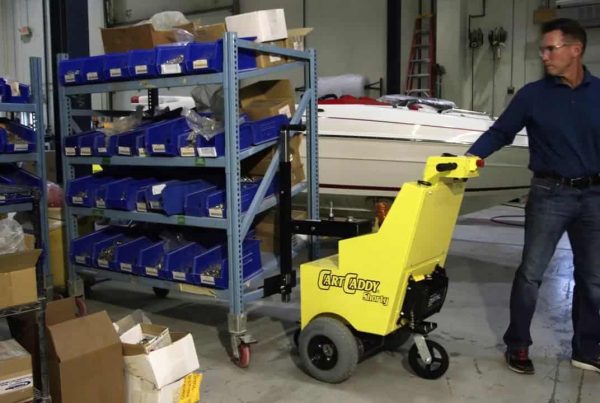
Electric warehouse tugs offer an effective solution. These tugs have better maneuverability, resulting in less time spent moving heavy loads around. This helps improve productivity in warehouses.

Aim for a Better Organized Warehouse

Having items scattered around can interfere with how productive your warehouse is. Work on ensuring that all items, from merchandise to equipment and supplies, are organized as much as possible.

Improve the layout of your warehouse for a better workflow. Use signage, labels, and maps to make sure that all staff know where everything is located. Signs and labels should be highly visible and easy to read. Maps can help newer staff know where to go. These steps help streamline the work process, leading to enhanced productivity.

Improve Inventory Management

Keeping an accurate count of your inventory and organizing it is crucial for your warehouse. Make use of bins and other storage solutions to compartmentalize different items. This allows workers to easily and quickly find what they need.

If you haven’t done so already, look into automated inventory management software. This provides you with a simple way to keep close track of the products stored in your warehouse, along with other items. You can then order ahead to replace low inventory as needed.

How else can you manage inventory more effectively? Evaluate your receiving process to ensure that products are handled efficiently when they arrive. This helps prevent boxes from building up in the receiving area and ensures that orders can be promptly picked, packed, and shipped.

Electric warehouse tugs can significantly increase your warehouse’s productivity. Contact DJ Products to get more detailed information on our material handling solutions.

What is Amazon’s Plan to Reduce Warehouse Worker Injuries by 50%?

Increase Warehouse Safety with a Trailer Dolly
Warehouse Safety

According to the Bureau of Labor Statistics, warehouses and storage facilities have by far the highest injury rate of any industry. As the world’s largest online retailer and marketplace, what is Amazon doing to improve safety for their workers? Our Sales Engineers at DJ Products, makers of the eco-friendly trailer dolly, take a look at Amazon’s recent activities and policy changes.

Amazon Invests in Employee Safety

In 2019, Amazon launched WorkingWell, a program designed to offer a number of wellness services to their workers. WorkingWell was implemented at 350 sites across North America and Europe, covering a total of 859,000 employees.

Despite this measure, Amazon’s continued growth has triggered extensive criticism about working conditions. Last year, in an effort to address these complaints, Amazon rolled out WorkingWell to their U.S. operations across the board. They also announced an ambitious goal to reduce recorded incident rates of worker injury and illness by 50 percent as of 2025. Overall, the company invested $300 millon in various safety projects during the year.

How Is Amazon Reducing Their Injury Rate?

Musculoskeletal disorders, or MSDs, are a primary focus of these initiatives. MSDs make up approximately 40 percent of work-related injuries reported at Amazon. Many of them, such as sprains and strains due to repetitive motions, are associated with new employees.

John Dony, senior director at the National Safety Council, compared the situation to baseball coaches training pitchers in mechanics to help prevent risk of repetitive-motion injuries. In fact, Amazon has hired many certified athletic trainers to work as injury prevention specialists, providing one-on-one employee coaching and assisting with workstation ergonomics.

Other steps being taken by Amazon include:

    • Daily meetings, called “Health & Safety Huddles,” to watch short interactive videos
    • Hourly prompts asking employees to complete brief mental and physical exercises
    • Addition of dedicated onsite wellness spaces
    • Increased availability of healthy food options


Reduce Injury Risk with the Trailer Dolly from DJ Products

Are you doing enough to reduce the injury rate in your warehouse or storage facility? Contact us at 800.686.2651 to learn more about our material handling solutions from our friendly and helpful Sales Engineers.

Common Warehouse Workplace Injuries and Risks

Workplace Safety
Warehouse Risk Reduction

Thanks to the boom in e-commerce sales, warehouse employment in the United States is at an all-time high. Unfortunately, warehouse workplace injuries continue at an alarming rate, affecting four to five of every 100 workers.

These injuries can take a long-range toll on workers’ health while severely impacting company productivity. Here’s a look at some of the top risk factors behind the most common injuries.

Common Causes of Warehouse Workplace Injuries
    • According to the Occupational Safety and Health Administration (OSHA), forklifts are number one on their “hit list” of most frequent safety standard violations. Other moving machinery, such as conveyor belts, creates danger points as well.
    • Warehouse work involves almost constant repetitive motions, such as reaching, stretching and lifting. The cumulative effect places significant wear and tear on muscles, tendons and nerve tissues that never has a chance to heal. Doctors often refer to this as cumulative trauma disorder (CTD), and over time it can lead to chronic discomfort and loss of mobility.
    • In the short term, physical exertion of maneuvering heavy objects can result in strains, sprains and other musculoskeletal injuries, particularly involving back muscles and vertebrae.
    • Falling objects are generally due to improperly stacked materials or faulty shelving and supports. Forklifts can also play a part in these types of injuries, if they are used improperly and cartons fall off the forks.
    • Solid ground presents its own forms of danger. Workers may slip on wet floors or trip over obstacles in the aisles, especially if the warehouse is poorly lit. While general maintenance is important, OSHA also has regulations covering guards for wall and floor openings.
    • Hazard communication is another one of OSHA’s top safety violations. When dangerous warehouse areas are not visibly marked according to OSHA standards, workers run the risk of electric shock or exposure to toxic substances.


DJ Products: Putting Safety First

Make workplace safety a priority in your company culture. DJ Products features an extensive line of electric tugs, movers and pushers for every application that help reduce common injury risks.

Contact us at 800.686.2651 or use our convenient online chat feature for cheerful assistance from our Sales Engineers.

Manufacturing Industry Shifting Gears Amid Supply Chain Disruptions

One memorable example of a widespread product shortage began in 2020 in the middle of the pandemic. Toilet paper was out of stock everywhere – from local grocery stores to online retailer giants like Amazon. While supply chain has always been an integral aspect of businesses, the pandemic-fueled toilet paper shortage and resulting hysteria it caused, sparked a magnified focus on product inventory for companies worldwide. Supply chain breakdown has impacted nearly every industry; especially manufacturing. Companies have been forced adapt to these shifts and look at changing production process to ensure they’re able to deliver their product in a timely manner. According to Industry Today, here are three principles that supply chain-focused employees can implement to adapt to supply-related woes:

Examine Your Process and Deliver

Taking a step back, many leaders in manufacturing have begun to pinpoint weak areas in their own supply chain (including distance and inventory waste) and implement new solutions. Recent research has found that 91% of Chief Supply Chain Officers agree that fixing supply chain issues is important to their business’s success.

Stay Prepared

Change is the only constant. Planning for the future by monitoring data, shipping analytics and economic trends is key to staying ahead of the game and continuing to deliver according to customer expectations.

Customers Dictate Agenda

Meeting customer needs is more than simply delivering a good or service on time. Finding ways to ensure customers’ many needs are met is paramount. Setting expectations on expected delivery timeframe ensures the customer is in the know. Customer expectations ultimately shape the supply chain agenda. We are happy to report that DJ Products has continued to operate with no disruption to service amid the global pandemic. Please reach out to a sales engineer (phone: 1-800-686-2651, email: info@djproducts.com) if you’re interested in a material handling solution for your business!

Do You Need a Warehouse Consultant? What to Know Before You Hire One.

What to Know About Warehouse Consultants

At DJ Products, our mission is to help customers find their ideal warehouse equipment solutions. But when it comes to warehouse operations or special projects, do you go it alone?

Many companies of all sizes have successfully used warehouse consultants to advise on layout design, process optimization and other business aspects. Here are some tips to help you decide if your company could benefit from hiring a warehouse consultant.

What Does a Warehouse Consultant Do?

Warehouse consultants have a wide range of expertise applicable to all facets of operations. Some of the issues for which companies seek help include:

– Layout design and space optimization

– Inventory management

– Locating and designing new or additional warehouses

– Order picking

– Improving cash flow

– Maximizing integration of two or more companies

– Calculating activity-based costs (ABC)

– Selecting and implementing a warehouse management system (WMS)

– Outsourcing services

What to Expect Working with a Warehouse Consultant

Warehouse consultants use well-established methods that have been proven to work. Since they deal with warehouse change management projects every day, they understand how to adapt these methods to best suit your operations and customers.

A good warehouse consultant will present you with an analysis of options that address your particular needs. Each one will be based on trade-offs between factors including workforce, space and costs. Consultants are also aware of common problems that can arise in each scenario, so they can guide you on the most streamlined ways to put solutions in action.

DJ Products: Your Warehouse Equipment Consultant

Our knowledgeable sales engineers can help you find the right warehouse equipment for your specific applications. Use the convenient online chat feature on our website for prompt and cheerful assistance with any questions about our comprehensive line of tugs, movers and pushers.

Exoskeleton Service Robotics Move Into the Warehouse

The Future of the Warehouse is Upon Us

Robotics, in combination with warehouse equipment, has become a dynamic means of boosting productivity with lower costs. Exoskeleton robots are now poised to become the next big innovation in supply chain and logistics.

Could exoskeleton robots have an application in your warehouse operations? Here’s what you should know about this fascinating technology.

What Are Exoskeleton Robots?

Exoskeleton robots are wearable devices that incorporate electric motors, pneumatics and hydraulics to mimic or augment actual human movements. These devices afford a greater degree of strength and endurance than workers could achieve on their own.

Applications of exoskeleton robots cut across a wide range of fields, from manufacturing and supply chain to healthcare and military. As a result, the market is expected to reach an astonishing $2.8 billion by the year 2023, for a compound annual growth rate of 45.2 percent.

Advantages of Exoskeleton Robot Use

Muscle fatigue and overuse is a primary limitation in a number of activities. An exoskeleton robot lets the user remain functional and productive beyond the point at which they would normally have to stop.

Exoskeleton robots are currently incorporated extensively in two industries:

– Healthcare services use exoskeletons for injury rehabilitation to help muscles recover efficiently.

– The military uses exoskeletons in combat situations to reduce fatigue and injury risk among soldiers.

Full-body exoskeletons aren’t yet ready to be rolled out commercially, but upper- and lower-body exoskeletons have great potential as ergonomic aids for warehouse workers who perform repetitive tasks.

Make Safety a Priority with Ergonomically Designed Warehouse Equipment

Battery-powered warehouse equipment like our best-selling CartCaddyShorty includes features such as variable speed twist grips to prevent common repetitive motion injuries. Use our convenient online chat feature to learn more from our helpful sales engineers.


Be On the Lookout for These New Emerging Supply Chain Technologies and Trends

Be On the Lookout for These New Emerging Supply Chain Technologies and Trends

Whether it’s automated warehouse equipment or integrated software systems, there’s a constant stream of trends affecting supply chain management today. Keeping up with these changes is essential in order to meet increasing customer demands.

What’s on the horizon for 2019? Here are some supply chain trends to focus on over the next twelve months.

Emerging Technologies

High-tech innovations continue to reshape every facet of the supply chain industry. Drones, artificial intelligence and highly developed robots are part of the next wave of technology making its way into warehouses and transportation.

Supply Chain Visibility

Ebbs and flows such as seasonal business have traditionally made it difficult to forecast supply chain workloads. Features such as the Internet of Things (IoT) and Big Data give managers real-time information they can use to accurately predict demand shifts and respond quickly to problems.

Sharing Economy

As retailers look for ways to be flexible enough to accommodate customer demand while keeping costs low, on-demand warehousing and logistics is seen as a viable solution. The sharing economy is projected to grow from $14 billion in 2014 to $335 billion in 2025.

Evolving Customer Channels

Change in customer channels has actually been an ongoing trend over the last few years. Traditional brick-and-mortar retail continues to move into direct-to-consumer, with 40 percent of brands now selling DTC. By the year 2025, DTC sales are expected to reach $130 billion.

Warehouse Equipment for Today’s Supply Chain Needs from DJ Products

While many elements of the supply chain may change, one constant is the need for efficient, reliable and safe warehouse equipment. We offer a full line of electric tugs, movers and pushers to suit any application. Visit our website for immediate assistance from our friendly sales engineers.

Warehouse Management Tips: How to Be Prepared for When Predictions Fail

Be Prepared When Predictions Fail

Technology has put more information than ever before in the hands of warehouse managers. Unfortunately, not everything is as reliable as quality warehouse equipment. Even the most knowledgeable predictions can fail to materialize.

How do you keep erroneous predictions from throwing operations off course? Follow these three helpful tips to be prepared for curves in the road.

Manage Costs Carefully

The boom in online retailing has been something of a mixed blessing. Sales have gone up, but profits are shrinking due to free shipping, competitive pricing and other costs of gaining customers.

– High-tech improvements are necessary but expensive, so focus on the long-term return on investment.

– Don’t be afraid to let shoppers bear some of the costs. Stricter return policies, free-shipping minimums and focus on high-value items are strategies to indirectly reduce costs while still providing customer satisfaction.

Maximize Square Footage

When is the last time you reviewed your warehouse layout? Do a careful analysis to identify dead space, optimize placement of high-volume SKUs and make any other changes needed to ensure full productivity of the entire footprint.

“Listen” to Your Customers

National news and market data provide an outlook on the general business climate, but it paints a picture in broad strokes that may not apply to your business. Take advantage of the detailed customer data that you have to watch for even slight changes that may indicate an upcoming positive or negative trend.

Cost-Effective Warehouse Equipment from DJ Products

Labor is your costliest and most important resource. Maximize productivity and reduce disruptive warehouse injuries with safe and efficient warehouse equipment like our best-selling CartCaddyShorty.

Visit our website and use our convenient chat feature to let our cheerful sales engineers find the best solution for your specific application.

More Warehouse Robots Added at Walmart and Amazon But Not at a Human Cost – Yet

More Warehouse Robots Added at Walmart and Amazon But Not at a Human Cost - Yet
More Warehouse Robots Added at Walmart and Amazon But Not at a Human Cost – Yet

The move toward automation is affecting the retail industry, but is it a threat to employees yet? Retail giants Amazon and Walmart are adding warehouse robots to handle different tasks. While this might seem like a concern for employees, they can still count on being able to do their jobs using warehouse equipment for now.

Amazon Robots

Amazon first made the company’s interest in robotics known in 2012 with the purchase of Kiva Systems. Since that time, Amazon has set up cashierless stores and put robots to work moving items around inside its warehouses. These robots have allowed Amazon to store more inventory and handle customer orders at a quicker pace. This has led to shorter delivery times, making customers happier overall.

Walmart Robots

Walmart also uses robots in warehouses to take care of some tasks and plans to add more. Newer robots will be moving groceries around warehouses at a grocery distribution center in California in 2020, and a New Hampshire location will have automated carts available for moving items that are part of online grocery orders.

Other plans for robots at Walmart include an unloading system that removes items from trucks and sorts them while bringing them to warehouse shelves.

Effects of Robots on Jobs

Adding automation to warehouses is expected to create some jobs, but it could also lead to job losses for some warehouse workers over time. While warehouse workers don’t have to worry about losing their jobs to robots just yet, they should keep an eye on automation news.

If you need warehouse equipment to keep your business running smoothly, visit DJ Products. We have a wide selection of this equipment available to help your employees handle warehouse tasks more efficiently.

Amazon Warehouse Staff Exercise Their Right to Protest

Amazon Warehouse Staff Exercise Their Right to Protest

With Amazon’s far-ranging network of facilities, robust infrastructure and labor force of more than 600,000, it’s not far-fetched to compare the retailing giant to a self-contained country. Amazon has begun using its stature to wield influence among governments both here and abroad.

Continuing the parallel, “citizens” of Amazon are seeking to be heard on topics ranging from warehouse equipment to global warming. What issues are causing employees to raise their voices in protest?

Amazon Becomes a Political Force

Last year, Amazon CEO Jeff Bezos enjoyed a private summit with Canadian Prime Minister Justin Trudeau, and it was later announced that Amazon would open a new office in Vancouver employing 3,000 people. In the United States, Amazon caused a frenzy with its search for a city to host its second headquarters.

The “contest” was ultimately won by Washington, D.C. and New York City, although the latter eventually declined. It’s expected that a facility in the nation’s capital will give Amazon a stronghold for increased lobbying as well as efforts to obtain Department of Defense contracts.

Employees Flex Their Muscle

For their part, several Amazon employees are taking an ethical stand against certain products. Workers are joining civil rights groups such as the ACLU in objecting to use of Amazon’s facial recognition software for “authoritarian surveillance.”

In a development that bears watching, some Amazon employees are taking advantage of stock holdings in their compensation packages. As shareholders, they have filed a resolution demanding that Amazon create a plan to deal with climate change.

Warehouse Equipment for All Applications

Your company may not be the size of Amazon, but your employees deserve quality warehouse equipment. Visit our website and chat with our sales engineers about our line of electric tugs, movers and pushers.