

Start 2019 Out Strong with Our Top Warehouse Efficiency Tips

Start the Year off on the Right Foot in the Workplace!

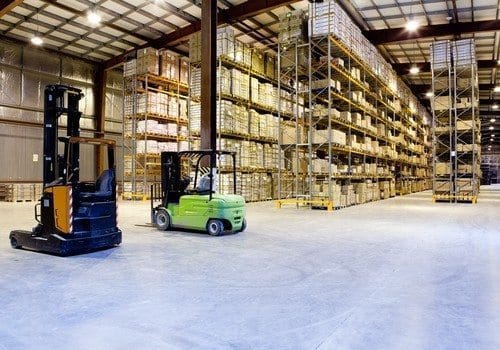
Is increased efficiency on your list of New Year’s resolutions for your warehouse? Our electric industrial tugs are a safe and cost-effective way to accomplish this goal.

Supplement your efforts with a number of easy-to-implement methods that improve all factors of warehouse performance. Here are tested tips to increase efficiency and boost productivity in 2019:

Communicate Openly and Often

No matter how well everyone knows their job, nothing should be taken for granted. Share all relevant information required to prevent problems and keep order processing moving smoothly.

Embrace Metrics

Metrics provide specific measurements of performance in a straightforward and objective manner. Today there are more tools than ever before to collect and share data in a user-friendly format.

Maximize Vertical Space and Optimize Slots

Expanding vertically is a quick way to add space without expensive renovations. Warehouse management systems (WMS) let you assign slots for maximum productivity based on seasons, inventory levels, SKU movement and other relevant factors.

Reduce Travel Time

Labor is a significant expense, and much of it is taken up with travel time while picking, packing and shipping orders. Analyze your warehouse layout and make sure work stations are set up in a logical order.

Implement Effective Training Programs

As technology becomes more integrated in warehouse management, workers can’t afford to be left out of the loop. Design robust and ongoing training programs that allow employees to be comfortable with new systems and solicit feedback to find areas for improvement.

Industrial Tugs for Every Application from DJ Products

Whatever your need, we have battery-powered industrial tugs, movers and pushers that handle it. Use the handy chat feature on our website and let our friendly sales engineers find the solution that’s right for you.


Is Your Fleet Winterized? Tips on Getting Ready for Cold Weather

Staying Warm on the Job Can Prevent Employees from Coming Down with Illness. Take Precautions!

Your terminal tractors may not need to be dressed for the winter weather, but your rigs do. Are yours ready? The frigid temperatures of winter deliver snow and ice that make trucking tasks increasingly difficult and dangerous. Many accidents on America’s congested roads lie at the hands of such weather, with 467 fatalities annually resulting from icy conditions, and nearly one-quarter of vehicle crashes caused in whole or part by inclement weather according to the Federal Highway Administration.

Luckily, however, with a bit of preventative winterization maintenance, you can limit risk.

Seven Ways to Prepare Your Fleet for Cold Weather:

Maintain Tire Health
Responsible for 1-of-11 crashes, watch for uneven tire wear indicating alignment or bearing/kingpin issues. Be sure to check tire pressure as temperatures drop as well: Tire pressure decreases with temperature, increasing rolling resistance and impacting fuel economy.

Watch out for ‘Fuel Gelling’
In cold weather, fuel molecules can gel or wax-up and cling together. Winterize fuel to prevent fuel filter clogs and protect MPG with the right additives/fuel treatments.

Keep Water Out of Fuel Sources
Water will settle into the lowest point of fuel filters, tanks and hoses, freezing. To ensure fuel gets safely to the engine, water contamination must be eliminated.

Check Battery & Fluid Levels
Monitor charge levels, replace washer fluid with ‘no-freeze’ alternatives, and ensure proper coolant levels.

Ensure Maximum Visibility
Always keep windows clean and clear.

Stock Your Cab
With extra water and non-perishable food in the event you may become stranded.

Drive Differently
Slow down and use extra caution when driving in rain, sleet, snow, ice, fog, and wind, as other drivers struggle with the weather.

Increase safety from dockside to doorstep. Learn more about terminal tractors from DJ Products today.

Tips for Improving Your Distribution Center’s Inventory Management Skills

Tips for Improving Your Distribution Center's Inventory Management Skills
Tips for Improving Your Distribution Center’s Inventory Management Skills

Decisions about distribution center equipment, such as the purchase of terminal tractors, are often relatively clearcut. But inventory management is a moving target that involves straddling a line between too much and too little. Both scenarios generate excess costs that seriously impact the bottom line.

Fortunately, improvements in technology have resulted in practical and effective solutions to the problem of inventory management. Here are tips from experts on how to incorporate these methods in your distribution center.

Remove Emotion from the Process

According to Ian Hobkirk, president of Commonwealth Supply Chain Advisors in Boston, too many companies set inventory levels based on emotion rather than logic. In most cases, they err on the side of excess inventory as a “security blanket.”

Numbers have no emotions attached, so inventory management software makes the process more objective. These systems provide real-time information that allows for decision-making based on actual data rather than what-ifs.

Embrace Technology

For decades, inventory management was a time-consuming process recorded manually with paper and pencils. These antiquated methods left too much room for error and they weren’t responsive to rapid changes.

At this point, even barcode scanners are becoming relatively outdated. E-commerce is leading the charge in adopting cutting-edge systems combining the Internet of Things (IoT) and mobile devices for timely data-gathering across the supply chain.

Crunch the Numbers

Excess inventory costs are greater than simply the purchase price of products. Hobkirk suggests calculating the true expenses of carrying too much inventory, including factors such as storage and labor costs.

Move Inventory with Terminal Tractors from DJ Products

A quick turnaround time for trucks gets inventory moving faster. Contact us to learn how our Electric Yard Dog enables a single worker to move trailers safely and efficiently.

Maintenance Staff Injury Prevention Starts with a Waste Caddy

Man from city service pulling garbage bin
Injuries can Occur from Pushing or Pulling Heavy Dumpsters.

Janitors and maintenance teams have enough physical strain in the course of their job. After making the rounds, lifting and throwing bags into the dumpster and dealing with oversized items, the employee then has to push the waste container to the proper collection site. That last step can be the most difficult – manually pulling or pushing thousands of pounds.

Tips to Prevent Injuries to Maintenance Staff

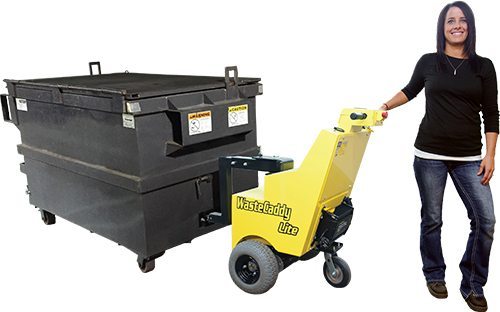
Prevention has two main components: general health and ergonomics. The ergonomic part is easy – you can switch from manual power to battery-powered waste caddies that motorize the most difficult part of the job.

Safety experts also recommend taking a holistic approach – what John Virsack of ARM has called the “360 degrees of safety.” Consider workplace programs to promote healthy eating, exercise, work-life balance, and stress reduction. Workers in good shape physically and mentally are less likely to get injured and miss days.

Waste caddies and dumpster movers are a necessity for workers, regardless of physical conditioning. No strong man can safely push and maneuver a loaded dumpster 100% of the time. Frequent exertion, inclines, gravel parking lots, etc. – the job needs automation to be safe.

Consider the many safety hazards of manually moving dumpsters:

• Muscle strains from long-term overexertion.

• Herniated discs, torn muscles from sudden force.

• Crushed fingers and toes, e.g. when maneuvering into a freight elevator.

• Pinned by dumpster when out of control on slope or slippery surface.

• Property damage if dumpster strikes parked cars or buildings.

To prevent worker injuries — not to mention the cost of sick days and workers comp claims — invest in a waste caddy to improve safety for your maintenance staff.

Is It Best to Push or Pull a Heavy Dumpster?

DJ Products' Dumpster Caddy Reduces Workplace Injuries
DJ Products’ Dumpster Caddy Reduces Workplace Injuries

Deciding whether to push or pull a loaded dumpster can have a significant impact on your health, and the health of your employees. Moving several hundred pounds of trash and metal unassisted is never easy and can be close to impossible if the surface isn’t completely flat and smooth.

Pushing or Pulling – Which is Better?

In most cases, pushing a dumpster will result in less strain on your back and is generally safer since it cannot end up rolling over you if you fall down. Even so, a fully loaded dumpster can weigh half a ton or more, making it extremely difficult to move even with two people on the job.

How to Alleviate the Problem

Dumpster tugs are designed to work around the problem of forcibly moving a dumpster by giving you a way to use a powered device to help move it along. Our tugs are designed to be operated by only one person, making it less likely that you will need multiple employees to handle trash collecting activities. In a hotel or apartment complex environment, this frees up maintenance workers to focus on more pressing matters surrounding the comfort of your guests and residents.

DJ Products has developed dumpster tugs that make moving trash around extremely simple. To find out more about how our products can benefit your business, give us a call at 1-800-686-2651

Warehouse Workers Adapt to New Roles as Robots Move In

Robots Are Changing Warehouse Staffing and Management
Robots Are Changing Warehouse Staffing and Management Techniques

Amazon is unquestionably an industry leader. The e-commerce company surpassed Walmart as the biggest retailer by market value years ago. According to Fortune, Amazon is worth more than Costco, Target, and Walmart combined. Companies like Walmart are scrambling to maintain revenue by increasing their focus on e-commerce. Currently, nobody does e-commerce better than Amazon. And the company Jeff Bezos founded in 1994 is fully embracing warehouse equipment and robots to stay ahead of others.

New challenges for employees

In the not so distant past, monotonous, repetitive jobs were done by humans for low pay. Thanks to advancements in technology, robots are now capable of doing more intricate tasks. While it’s true that many jobs that were traditionally completed by human hands are now being done by robots, Amazon’s staggering growth has created an abundance of other jobs that need to be filled by human workers. These jobs are mentally challenging and not repetitive, says 21-year-old Nissa Scott, who began working at one of Amazon’s New Jersey warehouses last year. She is responsible for monitoring and troubleshooting several robots.

Warehouse equipment benefits employees and companies

Warehouse management has a lot of things happening all at once and countless repeatable processes. Reliable, efficient equipment along with a proper focus on ergonomics and employee training helps to maintain profitability for a company by preventing back strains, reducing slip and fall injuries, and lowering the company’s costs associated with workplace injuries. The average cost to an employer due to a common trash room injury is more than $41,000.

Contact DJ Products to speak with one of our knowledgeable sales engineers about which of our material handling equipment products are best for your company’s needs.

GAO and the Top Government Contracting Trends

GAO and the Top Government Contracting Trends

How does the Trump administration’s proposed budget line up with recent government contracting trends? According to the latest GAO report, there’s a significant disconnect between the two that bears watching.

What Does Current Government Spending Look Like?

Last March, the U.S. Government Accountability Office (GAO) released “Contracting Data Analysis — Assessment of Government-wide Trends,” commonly referred to as the Report. Contents included details on federal contract trends during the period from 2011 to 2015.

Overall federal contract spending declined nearly 24 percent, with the bulk of the change coming from a decrease in DoD spending. After spending reached its lowest level during sequestration in 2013, civilian spending bounced back while military spending continued to decrease.

Proposed Budget Changes: Increases and Cuts

A week later, the Office of Management and Budget released its “Budget Blueprint.” Among the major provisions of the blueprint was a significant increase in DoD spending with a corresponding significant decrease in civilian spending.

Specifically, the blueprint called for a $54 billion increase in defense spending, including more equipment for the Navy and Air Force. Cuts in civilian spending were proposed to allow for the boost in defense spending without increasing the national debt.

Congress is not entirely on board with the proposed cuts, so the final budget is expected to look different. Contractors who conduct business with the affected agencies are advised to pay close attention to the blueprint as it passes through the approval process.

DoD Equipment Supplier Movers from DJ Products

Are you a DoD equipment supplier looking for ways to streamline operations? Visit our website for information about our WagonCaddyHD and other electric movers.

Hotels Embrace the New Concept of ‘Lifestyle’ in Marketing

The Hospitality Industry

Hospitality leaders agree: lifestyle hotels are more than a passing fad. The new norm focuses on guest experience and upscale communal features like critically acclaimed restaurants and WiFi friendly lobby seating.

Travelers want their hotel to be a desirable place to hang out, and “have a room upstairs.” The results can vary depending on the target market (young millennials, business travelers, international tourists) but the emphasis on a unique experience runs across the board.

A recent profile of the Freehand Hotels shows how the new chain learned from its first project, a hostel-style boutique in Miami with private and shared rooms. Guests loved the community lounge spaces but strongly preferred private rooms. Freehand changed gears for its subsequent hotels, moving away from shared bathrooms but keeping the lounge spaces.

Pod Hotels in New York City show the same commitment to the “lifestyle” concept. Guests are greeted by a twenty-something concierge dressed to go DJ at a nightclub — and find themselves immersed in a trendy bar scene before reaching the front desk.

Mainstream hotels and business hotels are embracing lifestyle, too. Some spotlight the beauty of restored historic buildings, local artwork, or lobby filled with business productivity tools.

For hotel management, the shift toward lifestyle hotels means creating a consistent atmosphere. After  choosing new decor and lobby furniture, the hotel can streamline daily operations with new tools for hotel and hospitality cart movement. Employees work with motorized carts to get cleaning and maintenance done quickly — putting the best foot forward for the hotel’s lifestyle experience.

For more info on hotel and hospitality cart movement, visit DJ Products.com.

Prevent Potential Waste Bin Cover Injuries

Dumpsters Can Be Dangerous

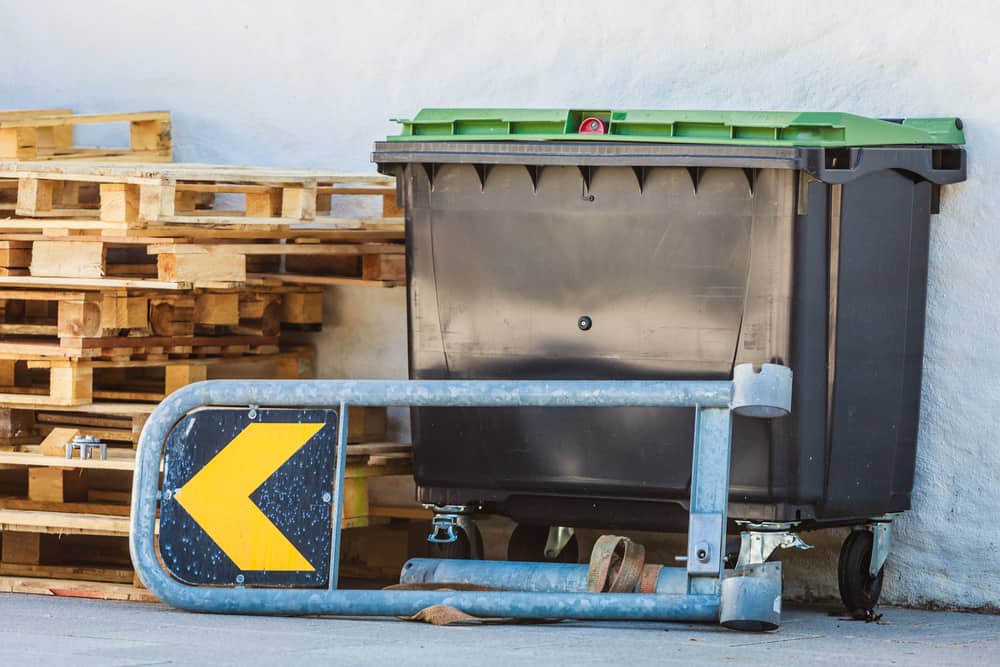
Waste handling poses several obvious risks, especially in regards to hazardous materials and the physical injuries associated with pushing or pulling heavy dumpsters. Your staff should also be aware of dumpster safety tips for operating the bin cover or lid.

Ideally, maintenance staff should use a motorized dumpster pusher to prevent muscle strains and back injuries. For loading and unloading, it’s important to use a reasonably clean lid that’s in good working order.

Dumpster injury hazards to address include:

– Tipping hazards: Never move a dumpster or waste bin with the lid open. The lid can crush or cut the hands, or even cause a lightweight container to tip over backwards. This garbage can injury story details the potential for lacerations, nerve injury, and worse.

– Keep out unwanted people and pests: Use padlocks to deter dumpster divers, unauthorized access, and raccoons or other vermin. If locks aren’t a good option, make sure to use tight-fitting lids and replace broken lids.

– Best practices for waste bins: Workers should avoid throwing the lid open wildly. Check to make sure no one is standing behind, and use a step stool if you’re too short to safely open the lid.

Most importantly, never rely on the safety labels to teach employees how to handle waste bins. Conduct safety meetings regularly, post large signs as reminders, and use tools like our automated dumpster pusher to alleviate the heavy strain.

If your team needs to move dumpsters or waste bins around the property, request a demo of the WasteCaddy dumpster pusher from DJ Products, the industry leaders in ergonomic safety equipment.

The Internet of Things is Transforming Warehouses

Technology is Changing Warehouses

How can your warehouse keep up with the challenges of today’s increasingly competitive industry? Use labor-saving solutions from a material handling equipment supplier and integrate Internet of Things (IoT) technology for state-of-the-art warehouse management.

IoT Applications for Warehouses and Distribution Centers

Business technology has gone far beyond consumer applications. The IoT provides efficient and accurate ways to manage even the most complex warehouses through every step of operations.

– Products can be located at each point in the supply chain through unique ID numbers.

– Real-time data collection allows for speedier and more effective decision making.

– Data sharing across platforms and between departments is simplified.

– Detailed information can be attached to all incoming and outgoing transactions without the need for human interaction.

– Patterns can be identified and used to improve speed, accuracy and efficiency.

– Reporting, alerts and notifications are available through a number of devices.

Continuing Benefits of IoT-Equipped Warehouses

Currently, 10 percent of companies have implemented IoT systems, while another 30 percent are planning to adopt the technology. Over the next 10 years, the IoT industry is predicted to reach a global value of $8 trillion.

Companies are increasingly viewing warehouses as value streams rather than merely inventory storage. IoT systems can help create leaner systems by reducing wasted time, labor and supplies. As a result, both vendors and customers will have higher levels of confidence and satisfaction.

DJ Products: Your Complete Material Handling Equipment Supplier

Overexertion due to lifting, pulling, pushing and carrying is the number one cause of workplace injuries. We offer a comprehensive line of battery-powered pushers, tugs and movers to fit any material handling application.

Visit our website and use the convenient online chat feature for immediate assistance from our friendly and knowledgeable sales engineers.