
Dray Drivers Impacted by ELD Regulations Boosting Rail Use

Dray Drivers Impacted by ELD Regulations Boosting Rail Use

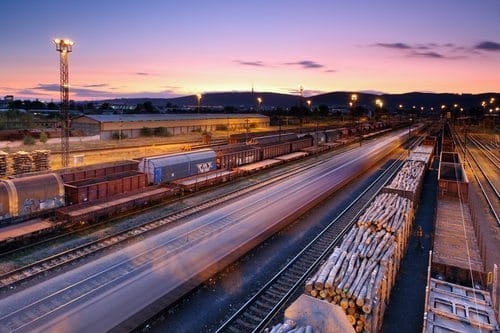
Dray drivers are feeling the pinch of the electronic logging device (ELD) mandate, just as truckers grapple with the same. We may even see dray drivers plot a career switch to OTR trucking, causing labor shortages and a spike in drayage costs. Railcar movers look more attractive than ever to help meet the demands of the intermodal supply chain.

As the ELD mandate proves a stumbling block for trucking, the market shifts more toward intermodal. That increases the demand for drayage, but many dray drivers are restricted by ELD rules, which only exempt those who log fewer than 100 air-miles daily. Plenty of drivers move longer distances depending on geography and work loads.

In short, we have fewer dray drivers and drayage is getting busier. The strong market for intermodal leaves many railway fleet managers looking for ways to reduce the workload and increase productivity—which railcar movers can help accomplish.

The Impact of ELD Regulations on Rail Use

Many factors come into play besides the electronic logging, not the least of which is the rise of e-commerce and its effects on rail industry trends.

However, the solutions will have to come from the ground floor up. As industry insiders recently told DC Velocity, “the big will get bigger” and small firms will fight to compete. “Timely and efficient operations” hold the key to success.

DJ Products railcar movers move up to 200,000 pounds at up to 3 mph in forward or reverse. Battery-powered, free of local emissions, and easy for most anyone to use, the equipment even has a versatile coupler to fit all rail cars.

If you need to make drayage more efficient, with fewer employees and better maneuvering in tight spaces, visit DJ Products and request a demo.


Prevent These Four Common Warehouse Injuries

Prevent These Four Common Warehouse Injuries

An ever-increasing number of retailers are relying on warehouse personnel to receive, store, and distribute products directly to end users. This results in an increased demand for warehouse workers. You can minimize the risks of warehouse injuries by incorporating efficient material handling equipment and being mindful of these four common warehouse injuries.

Falling objects and collapsing pallet racks

Forklifts can be useful when moving and lifting heavy loads. One person has an immense amount of power literally right at their fingertips. A slight distraction can result in someone being struck by falling objects or an entire rack of products. Consider having assigned safety personnel who regularly inspect racks and other areas where forklifts are used for potential dangers.

Forklift accidents

The Bureau of Labor Statistics estimates that 100 U.S. workers are killed by forklift accidents each year and another 20,000 sustain serious injuries. Reducing the number of forklift accidents requires worker training, ongoing safe work practices, and warehouse traffic management. The National Institute for Occupational Safety and Health has tips to prevent injuries and deaths to people operating and working near forklifts.

Slips, trips, and falls

Approximately 15 percent of all accidental deaths are due to slips, trips, and falls. These accidents are common in all work industries. They are also among the easiest to prevent. All employees should be vigilant about reporting spills, damaged flooring, and other safety hazards. Managers must promptly correct any unsafe condition.

Overexertion injuries

Warehouse work involves pulling, lifting, and carrying products. Overexertion injuries are common and very expensive for companies. Provide your workers with energy-efficient material handling equipment specifically designed for busy warehouses. Contact DJ Products to consult with one of our sales engineers and schedule a free demo.

The Uber Concept for Logistics Movement – Is It Right for You?

The Uber Concept for Logistics Movement - Is It Right for You?
The Uber Concept for Logistics Movement – Is It Right for You?

Could your next yard truck be robotically driven? Alongside autonomous or ‘self-driving’ cars, autonomous tractor trailer technology is entering the market. Turns out Uber isn’t just interested in toting people around … It’s in it for the long-haul. Literally.

Uber Ramps Up Robo-Trucking Efforts

Uber’s been trying to rule over the self-driving big-rig market since it acquired Anthony Levandowski’s self-driving truck company, Otto, in 2006. But it’s far from the only contender battling for market share. Daimler, Tesla, Waymo, Volvo, and even some startups are parrying for position in what’s seen as the future of long-haul trucking.

Driver Shortage Fuels Efforts

Online shopping is pushing out the traditional retail purchase, and with Americans ordering and shipping more and more stuff, and a driver deficit, the market is primed for new players. And though it’s tough to get vehicles to drive themselves in the city, on the freeway is another story.

Dangerous Curves Ahead

Still at issue: The difficulty of trucks safely negotiating industrial yards, intersections, and areas with pedestrians. To navigate such issues, those in the robo-trucking game are trying-on different tactics. Startup Starsky is looking to remote operation on service streets, like an RC car.

Uber is trying out the ‘bar pilot’ model, using humans to pick-up shipments and transfer them to robo-truck transfer hubs situated highway-side, with a hand-off in reverse at the exit. For now it’s trying the task at weigh stations off I-40 in Sanders and Topock, Arizona. Their goal is not only safety, but logistical efficiency, to maximize profit and minimize liability in an arena of multiple players sharing the same tote.

Is your staff safe? Save time, boost manpower, and prevent injuries with the help of an electric yard truck from DJ Products today.


What to Do and Not Do When Moving Your Small Airplane

What to Do and Not Do When Moving Your Small Airplane

If you work at an airfield or fly small aircraft, you’ve probably towed a plane into position by pulling on the propellers—even though you’ve been warned not to. There’s a reason why professionals use an aircraft tug.

Never Pull a Prop by the Tip

When moving a small airplane by the propellers, there’s a greater risk for damage when your hand is farther from the hub. The blades bend, the bearings loosen, and you may need to replace the entire hub earlier than you should.

Pilots and ground crews debate plenty about tugging on the props. They all agree that you should at least hold it near the hub.

Push or Pull an Aircraft by Hand?

Your propellers can handle plenty of force, but why risk injury or accident? The exertion of twisting and pulling thousands of pounds in an awkward body stance can tear a muscle or build up to a repetitive stress injury.

Moving small aircraft by hand also makes it impossible to see in every direction. In tight spaces near hangar walls or other planes, it’s worth using a walk-behind aircraft tow for better visibility.

Get an Aircraft Tug You Will Want to Use

A user-friendly aircraft towing system will reduce the temptation to pull on propellers. The Lindbergh AircraftCaddy from DJ Products lets one person do the job easily. Our tugs come with options for 4,000 to 35,000 pounds, and for aircraft with or without wheel pants.

The AircraftCaddy removes most of the manual effort for towing small planes. For operations, it saves on employee time while reducing injury and damage risk.

For a better way to move small planes in and out of hangars, contact DJ Products or explore our site for battery-powered aircraft tugs.

Beyond the Dumpster: The Growing Trash Problem

Beyond the Dumpster: The Growing Trash Problem

Beyond proper dumpster moving equipment for your facility, have you ever given any thought to the impact trash has on our society as a whole? Despite the increase in recycling efforts, waste disposal is still a serious issue generating problems for the environment.

Where Does All the Trash Go?

According to data from the Environmental Protection Agency (EPA), approximately 251 million tons of trash are generated annually in the U.S. That works out to just under five pounds per person per day, which equates to four-fifths of a ton per person per year.

Currently, only one-third of trash is recycled, with another 12.5 percent going into incinerators. That leaves 55 percent to be deposited in landfills.

How Landfills Work

As one expert put it, dumping trash in landfills is more of a mummification process than a composting process. Once the landfill is sealed, the trash inside is cut off from air and water that would trigger natural decomposition.

Despite precautions, liquids from trash in landfills can seep into groundwater. Landfills are also responsible for one-fourth of all methane released into the air as well as 2.3 percent of greenhouse gas emissions.

Environmental laws have made landfills more expensive to create and operate, so there was a movement from many small landfills to a reduced number of mega-dumps. As a result, trash has to travel farther, which causes more pollution from transportation.

Eco-Friendly Dumpster Moving Equipment from DJ Products

Trash rooms are a prime risk area for costly musculoskeletal injuries. Battery-powered dumpster moving equipment such as our popular WasteCaddyLite reduces the strain and overexertion that often results from transporting dumpsters.

Call 800.686.2651 and let our friendly sales engineers help you find the right solution for your property.

Hosting an Office Picnic? What Employers Should Know in Advance.

Make Sure Staff Knows the Rules for Company Picnics

Summer is a time to turn off warehouse equipment for a day and treat employees and their families to a company picnic. Make sure it remains a pleasant event for all by planning ahead to prevent accidents and other possible liabilities.

1. Attendance Should Be Voluntary

If someone’s not interested in participating, forcing them to attend won’t make it any more enjoyable. On a serious note, making attendance mandatory can imply that the event is “in the scope of employment,” thereby increasing liability.

2. Hold the Event Off-Site

Who wants to spend a social occasion surrounded by reminders of work? Host the event off-site and refrain from award presentations, business speeches and other work-related activities.

3. Enforce Company Policies

Attendees should still be expected to act responsibly. Remind everyone tactfully but firmly that harassment and other company policies guiding respectful behavior will be in effect.

4. Set Hard and Fast Rules About Alcohol

If you prefer to hold an alcohol-free event, proceed no further. If there will be alcohol allowed, keep in mind that this is the biggest minefield for potential liability.

– Hosting a cash bar can help limit consumption and remove you from the role of directly supplying alcohol.

– Take a zero-tolerance approach to underage drinking.

– Ensure that plenty of food is served, along with non-alcoholic beverages.

– If you won’t be providing transportation to and from the event, encourage people to have designated drivers and be prepared to arrange transportation for anyone who is intoxicated.

Turn to DJ Products for Top-Quality Warehouse Equipment

Studies show that job satisfaction is higher when workplace conditions are good. Visit our website and find out how our battery-powered warehouse equipment can make a difference in safety and efficiency at your warehouse.

Expectations – What Your Competitors Expect of Their Warehouse Employees

The "Right" Employees Boost Productivity
The “Right” Employees Boost Productivity

Any business that provides goods to customers, whether they’re consumers or other businesses, needs an efficient warehouse to process direct orders or supply brick-and-mortar stores. Employees work extensively with material handling equipment, but what else is involved in these jobs?

More than two million people in America are employed as order fillers in warehouse facilities. What do Amazon, Walmart and other retail giants expect from these workers, and how are they compensated?

Job Responsibilities

– Approximately one-third of order filling jobs are part-time status. Many of these are due to seasonal employment as companies ramp up for high sales periods.

– Many large warehouses operate 24/7, so employees should be prepared to work 10- to 12-hour shifts day or night, including weekends.

– High-tech radio frequency identification (RFID) scanners have greatly improved order-filling productivity and accuracy. Typical tasks include checking in received items, inspecting them for damage, picking customer orders and preparing them for shipment.

– Warehouse jobs require frequent lifting of items up to 70 pounds. Employees should be knowledgeable about how to recognize safety risk factors to minimize their chances of workplace injuries.

– While warehouses have heating and air conditioning systems, employees should be able to adapt to different temperatures, especially if there are refrigerated areas or freezers onsite.

Compensation

– According to recent figures, the median annual salary for order fillers is $23,840.

– Many companies offer healthcare coverage, which may include dental and vision plans, prescription coverage and parental leave.

– Tuition reimbursement, paid vacation time and 401(k) plans can be other features of benefit packages.

Are You Getting the Most from Your Material Handling Equipment?

DJ Products is a top supplier of high-quality material handling equipment that will raise productivity at your warehouse to the next level. Call 800.686.2651 for more information.

Could Your Fleet Qualify for an ELD (Electronic Logging Device) Exemption?

Check to See if Your Fleet May Be Eligible

The electronic logging device mandate has stirred up a polarizing debate. Some call the rule “Orwellian,” while others insist only those guilty of fudging paper records are upset. Many fleets are happily incorporating ELDs by using terminal tractors to reduce wait times with faster trailer towing around the docks. Still, you may be wondering if you qualify for an ELD exemption.

An owner-operator exemption request has not prevailed thus far. The Federal Motor Carrier Safety Administration has only granted a handful of ELD exemptions and waivers. These apply to old vehicles and situations where other safety measures are deemed sufficient:

– Vehicles manufactured before 2000

– Drivers who don’t use paper logs more than 8 days a month

– Trucks rented for 30 days or less; waiver through April 19, 2018

– Trucks rented for 8 days or less; exempt through October 11, 2022

– Agricultural commodities; waiver through June 18, 2018

– UPS drivers; exempt through January 19, 2022

– MPAA commercial drivers; exempt through January 19, 2023

Additionally, vehicles with the old AOBRDs are enjoying a two-year grandfathering period before a required upgrade by December 16, 2019.

Satisfy ELD and HOS Rules with Terminal Tractors

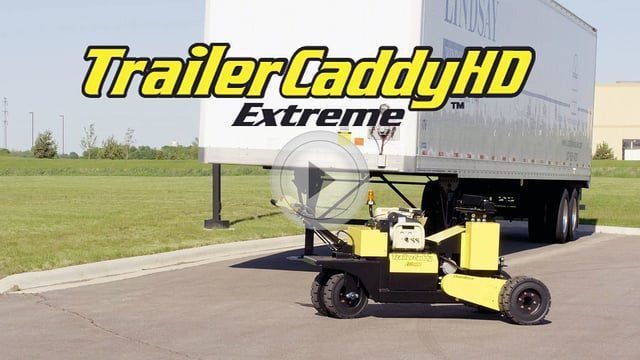
DJ Products can help your fleet comply with ELD mandates by using our TrailerCaddy Terminal Tractor. These replace your shunt trucks and any employee can operate them, so your CDL drivers don’t need to waste time moving trailers in and out of docks.

Terminal tractors save time and money. A TrailerCaddy costs less than 25 percent as much as a shunt truck, yet easily moves trailers up to 100,000 pounds and provides a long battery life.

For more info about how our terminal tractors can help ease the burden of ELD and hours-of-service rules, contact DJ Products today.

What Should be on Your List of Top Attributes for Warehouse Employees

What Should You Be Looking For When Hiring?

When you shop for warehouse equipment, you have a wish list of specific features you’re looking for. Shouldn’t you do the same for your warehouse employees?

Labor is your most valuable asset. Maximize productivity and minimize costly turnover by incorporating this checklist of top attributes of quality warehouse employees in your hiring practices.

Ability to Adapt to Different Work Environments

There’s no physical blueprint for skilled warehouse workers. They can be short, tall, thin or stocky. What’s important is that they feel comfortable working in different environments, regardless of location, temperature, or various other elements.

Familiarity with Warehouse Equipment

Working knowledge of power equipment used in your warehouse is a must, as well as appropriate licensing or certification for operating forklifts and other machinery. A strong candidate should also understand whatever warehouse management system your company uses.

Experience in Warehouse Procedures

At a minimum, your ideal warehouse employee should be skilled in the following procedures:

– Counting and cross-checking orders and shipments

– Picking and staging customer orders

– Reading and completing paperwork correlating to orders and inventory

– Loading and unloading trucks

Safety and First Aid Training

Workplace injuries are a drain on all your resources. Employees with current safety training are more aware of potential accident hazards and they’re ready to assist during an emergency.

Focus on Customer Service

Your workers represent you and your company. The best employees internalize a commitment to superior customer service and take a proactive approach to problem-solving.

Improve Workplace Operations with State-of-the-Art Warehouse Equipment

Help your employees to do their best by supplying warehouse equipment that makes their job safer and more efficient. Visit our website for information about our CartCaddyLite and other battery-powered tugs, movers and pushers from DJ Products.

Why Would Amazon Want to Start Its Own Shipping Network?

Check Out Our Yard Truck Products

Amazon will soon be adding a yard truck to its extensive assortment of warehouse equipment at its distribution centers. The online giant is preparing to launch a delivery service for businesses that will pit them head-to-head with established companies FedEx and UPS.

Shipping with Amazon

Amazon’s announcement of the new service initially caused stock prices for both FedEx and UPS to dip. While the current partnership between Amazon and UPS is expected to continue short-term, it’s unclear how it will be affected down the road.

The service, to be known as Shipping with Amazon, will begin by delivering shipments from the company’s third-party suppliers. Shipping with Amazon will kick off in the Los Angeles area before branching out.

Why Expand into Delivery?

Experts speculate that there are several reasons why Amazon is pursuing this new venture:

– Amazon’s lucrative Prime membership service offers free two-day shipping on specific items, but that perk is lost when customers order from a third-party supplier. By assuming more control, Amazon is hoping to drive additional customers to purchase a Prime membership.

– With the massive size of its operations, Amazon prefers to be as self-contained as possible. Taking charge of delivery service will minimize problems, such as delayed shipments during the last holiday season.

– Shipping causes a lot of red ink on Amazon’s books. In 2017, the company spent $20 billion getting orders to customers. That figure can be sharply reduced with in-house delivery.

– UPS recently reported quarterly revenues of $18.83 billion. Even for Amazon, it’s hard to resist the lure of that kind of money in their coffers.

Move Trailers with the Electric Yard Dog from DJ Products

Our battery-powered yard truck allows any employee to safely move trailers weighing up to 100,000 pounds. Call 800.686.2651 to learn more.