

Amazon Fulfillment is Impacting Warehouse Labor Market

Amazon Fulfillment is Impacting Warehouse Labor Market

The U.S. Labor Department estimates that the number of retail jobs lost over the past 17 years is the same as the number of new hires by online retailers like Amazon. That staggering number is approximately 444,000 people. The e-commerce industry toppled retail by providing a new kind of customer convenience and by maximizing manpower with warehouse equipment to quickly move high volumes of products through the system.

The labor market changes

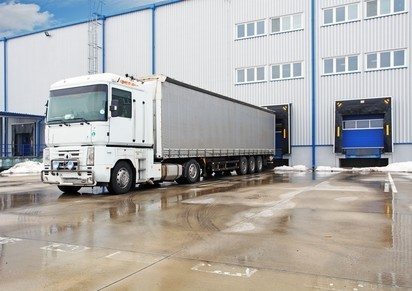
In past years, retail workers were spread across the country at brick and mortar stores. Currently, an increasing number of shoppers have opted to do more of their shopping online. This has resulted in huge warehouses located in a small number of strategic locations that need workers to fulfill customer orders.

Although President Obama and President Trump have bemoaned Amazon eliminating traditional retail jobs, a recent DallasNews article reports the e-commerce industry is adding more jobs than the retail sector is losing. For many people previously employed in face-to-face retail, the pay, benefits, and working conditions are better in the warehouse industry.

Some previous retail workers are still struggling

With e-commerce, the warehouse industry now provides some markets with plenty of available jobs with good pay. Amazon warehouses are clustered near a relatively small number of Amazon facilities, which leaves some displaced retail workers struggling to find work. Online retailers still rely on people with jobs purchasing goods for revenue. Where and how the U.S. economy finds a balance for the e-commerce revolution is not entirely clear.

At DJ Products, our mission is to provide warehouse equipment to help businesses operate more efficiently and prevent injuries to warehouse staff. Contact us today to speak with one of our helpful sales engineers about our full line of products.


Batch or Wave Picking – Which is Best for Your Order Fulfillment Warehouse?

Batch or Wave Picking - Which is Best for Your Order Fulfillment Warehouse?
Batch or Wave Picking – Which is Best for Your Order Fulfillment Warehouse?

Did you realize that pickers in your order fulfillment warehouse spend nearly two-thirds of their shift moving their tugger carts from one bin to another? Batch picking and wave picking reduce that time for improved efficiency. Which process is right for your warehouse?

Batch Picking

As implied by the name, batch picking involves sorting orders into batches that can be picked at the same time. This cuts down the number of times pickers must visit the same bin location.

Batch picking in small-order warehouses can more than double average pick rates. Since items are usually transported by cart rather than conveyor, batch picking also reduces expenses.

Experts recommend batch picking for warehouses with a higher concentration of SKUs over a large area or those with SKUs in densely populated locations. Varying the number of orders in each batch boosts productivity by limiting traffic on the warehouse floor.

Wave Picking

On the other hand, wave picking calls for pickers to work in specific zones rather than on batches. Once all the items are picked, they are collated into individual orders.

Wave picking generally works best in distribution centers with large numbers of SKUs. The process can be refined further into fixed waves, in which orders aren’t packed until the entire wave is picked, and dynamic waves, where each individual order is packed as soon as it’s completed.

Streamline Your Warehouse with Tugger Carts from DJ Products

When employees struggle to transport outsized or heavy loads, it seriously impacts productivity in your order fulfillment warehouse. Our full line of electric tugger carts offers a solution for every application.

Visit our website to learn more about tugger carts such as our best-selling CartCaddyLite, which can transport carts weighing up to 1,500 pounds.

Good Warehouse Housekeeping – Improves Safety and Prevents Injury

Good Warehouse Housekeeping - Improves Safety and Prevents Injury
Good Warehouse Housekeeping – Improves Safety and Prevents Injury

Good housekeeping shouldn’t be confined to your place of residence. Maintaining a tidy workplace and using tugger carts reduce injury risk and promote high levels of efficiency.

Incorporate these expert tips for making cleanliness an important part of your workplace culture.

Prevent Slips-and-Falls

Slips, trips and falls are second only to musculoskeletal stress as a cause of workplace injuries.

– Keep aisles and doorways free of obstructions.

– Clean up spills and leaks as soon as they occur.

– Immediately repair or replace worn-out or damaged flooring.

– Use strategically placed floor mats to provide traction and prevent employees from tracking materials across the warehouse.

Control Dust

A layer of dust no thicker than a dime presents a serious explosion risk. Use vacuums and compressed air to keep all surfaces, materials and equipment dust-free.

Remove Clutter

Clutter forces employees to restrict their movements, which can lead to sprains, cuts and other injuries. Make it a habit to return items to their proper place after use and keep extraneous items out of the workplace.

Use Personal Protective Equipment

Personal protective equipment such as safety glasses, closed-toed shoes and face masks should be used appropriately, with no exceptions. Have supervisors conduct regular checks to make sure all PPE is in good working condition.

Create and Maintain Written Housekeeping Policies

Create a manual thoroughly detailing housekeeping policies and keep it updated. All employees should be trained on proper procedures and have convenient access to the manual.

Save Time and Money with Tugger Carts from DJ Products

Our battery-powered tugger carts pay for themselves many times over in improved productivity and reduced workplace injuries. Visit our website and get real-time assistance from our sales engineers to select the perfect tugger carts for your warehouse.

Owner/Operators Brace Themselves for New Hours of Service Regulations

New Regulations to Pass

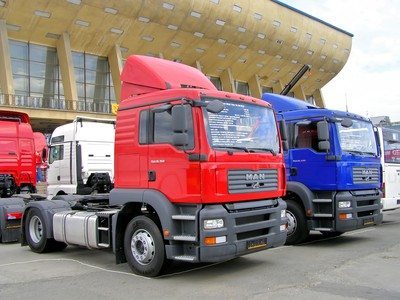
For many drivers and distribution firms, technology makes it easier to comply with Hours of Service (HOS) regulations while operating more efficiently and safely. A driver using an electronic logging device can signal his/her ETA to the next stop, where the crew can use semi trailer movers in the shunt yard to clear dock space or prep the next load. Everybody keeps moving, and regulatory compliance is taken care of automatically.

On the other hand, some owner-operators and small fleets struggle with rigid HOS rules and don’t want to be forced to buy ELDs. They’re putting up a last-minute fight.

Congress has been hearing from truckers and industry groups asking for changes to the FMCSA regulations, including the upcoming ELD mandate. Among the hot-button issues:

– Some owner-operators feel that HOS regs force them to drive less safely

– ELDs reduce paperwork but may not bring significant savings

– Certain industries like concrete mixing have short drives followed by on-site work, and currently ELDs do not reflect actual driving time accurately

Semi Trailer Movers Can Help HOS Compliance

While adjustments may yet be made, ultimately the trucking industry must grapple with the new HOS mandates. Efficiency at warehouse yards can be found and will save time for drivers feeling pinched by the clock.

DJ Products developed the TrailerCaddy Electric Yard Dog so that even non-CDL staff can safely move trailers in and out of docks. These forward-facing, battery-powered semi trailer movers offer precise steering and open sight lines for exceptional safety and quick work.

Whether you’re managing a small fleet or a large warehouse, semi trailer movers from DJ Products offer real value for the investment, even boosting profitability with tight driver hours in effect. Explore the TrailerCaddy terminal tractor to learn more.

ELD Enforcement – Some Have Until April 2018 to Be Compliant

ELD's will be enforced in the coming year.
ELD’s will be enforced in the coming year.

On December 18, 2017, the new electronic logging device (ELD) mandate went into effect. However, drivers who are not yet compliant can stop worrying about major penalties being enforced immediately. The Commercial Vehicle Safety Alliance announced it will not issue out-of-service orders until April 2018.

Now’s the time to get on board with the latest technology. ELDs replace paper logs for drivers, saving precious time and preventing human errors. Warehouse managers also have new tools for convenience, including electric yard trucks that can be operated by any employee.

About the ELD Enforcement Delay

With the new ELD mandate on the books, nobody should delay procuring an ELD. The enforcement delay gives the industry time to adjust. Those who were procrastinating, or perhaps hoping for the mandate to be eliminated, now have a few months to get compliant.

Industry experts point out a few key details not to miss:

– The delay only applies to out-of-service orders

– Law enforcement can still issue citations

– Hours of service violations are still in effect

– Drivers using older AOBRD logging methods have until December 2019 to switch to the new ELDs

Saving Money at the Warehouse

You’re juggling a lot, between the ELD mandate, hours of service regulations, and other changes going on in the industry. There’s one small investment that can save a lot of time around the warehouse—new battery-powered yard trucks and terminal tractors that don’t require a CDL or health card.

Our TrailerCaddy yard trucks are your low-cost solution for getting more done on a tight schedule. For a small fraction of the cost of a shunt truck, your workers can better maneuver trailers at any time of need. Contact DJ Products to request more info about TrailerCaddy electric yard trucks!

Important Semi Wheel Maintenance Tips

Maintaining your Vehicle Is of the Utmost Importance

Through all those highway miles, semi trucks place great demands on the wheels. It takes more than brute force to make sure those wheels are bolted on securely. Use motorized trailer dollies to efficiently shunt trailers around the yard, so you can take a moment for proper semi wheel maintenance.

If you could use a good refresher course, Heavy Duty Trucking provides a thorough walkthrough of what to look for when replacing semi truck wheels. Important maintenance tips include:

– Always check for damage to wheels, studs, and threads

– Clean out the threads if there’s any paint or gunk

– Make sure matching sizes and correct materials are used for threads and nuts

– Replace damaged studs as well as the adjacent ones

– Avoid over-torquing the nuts

– Use a few drops of motor oil when re-installing nuts

The guide also recommends re-torquing the nuts after the truck has driven 50 to 100 miles, to adjust for settling.

Painting and refinishing the wheels are another maintenance point of contention. Experts do not recommend painting steel wheels due to corrosion problems. However, if you must refinish a wheel, then use a spray rather than a brush.

Also, remember that “tighter is not better.” Use 500 ft.-lb. of torque, not more, to avoid weakening the studs.

Make Quick Work of Maintenance with Motorized Trailer Dollies

Spending a little more time on wheel maintenance is worth it. You can make up for it by saving time with motorized trailer dollies. Our TrailerCaddy terminal tractor can be operated by any employee. Move and park trailers up to 100,000 pounds whenever and wherever you need them, all with a safe and user-friendly control system.

Check out our TrailerCaddy terminal tractor and other motorized trailer dollies from DJ Products!

Tesla Semi Truck Makes the News and Wal-Mart Places Order

Semi's are Essential for Safely Transporting your Business' Goods
Semi’s are Essential for Safely Transporting your Business’ Goods

For a mere $20,000, you can reserve your place in the future of electric, autonomous trucks. Tesla ended years of rumors by formally announcing that the Tesla Semi will go into production in 2019.

Electric semi trucks appear to be the next evolution in distribution and will become a reality sooner rather than later. With an electric semi trailer mover, warehouses can save money and manpower devoted to moving trailers around the yard—or placing new Tesla semis at their charging centers!

The Next Generation of Trucking

Tesla has not confirmed the full specs, but enough key details have emerged to attract plenty of customers:

– 300-mile and 500-mile variants

– 0–60 mph in 20 seconds with 80,000 lbs.

– Less than 2 kWh per mile

– Estimated fuel savings of $200,000 over 1 million miles

Walmart and J.B. Hunt have already placed orders for what Elon Musk has billed “the safest truck ever.” A low center of gravity, automated traction system, and autopilot features should all make for a smooth transit. The futuristic, aeronautical design includes a center driver’s seat with wrap-around windows.

Upgrade to an Electric Semi Trailer Mover

It will be a few years before the Tesla Semi shows up in your shunt yard. DJ Products has a solution that you can use now to improve efficiency: the electric TrailerCaddy Yard Dog.

Our semi trailer mover runs on 48-volt batteries and moves up to 100,000 pounds. Any yard worker can operate the TrailerCaddy Yard Dog, so you don’t need a CDL driver on the ground. Press a button, walk alongside, and position any trailer precisely at the dock.

No need for a massive deposit; you can contact DJ Products for a free demo of our tank, OTR, and semi trailer mover.

What Supply Chain Trends are Predicted for 2018 and the Years Beyond Part One

What Supply Chain Trends are Predicted for 2018 and the Years Beyond Part One

As the U.S. economy continues to improve, business owners and supply chain managers are now facing new challenges. Companies must contend with a shortage of logistics workers and truck drivers. Innovative and efficient warehouse equipment is crucial to maximize manpower and prevent workplace injuries that create even more interruptions to workflow. It is also important that managers understand and prepare for several key supply chain trends coming in 2018 and the years beyond.

Continued innovations in the omnichannel experience

Technology is advancing more rapidly these days than ever before. New improvements in artificial intelligence and advanced technologies reach consumers shortly after being developed and become rapidly integrated into their daily lives. The omnichannel approach to creating a cohesive customer experience is constantly evolving. Companies must keep up while managing revenue in different omnichannel paths.

Service chains take precedence over product chains

Consumers have a lot of options for products. Providing an excellent product is not enough. Companies have to make a personal connection with customers, and those customers have high expectations for post-sale service. People are more likely to share their bad experiences than they are to tell others about good customer service. Companies that consistently deliver top quality customer service will move ahead of those that provide spotty or mediocre service.

SCM will require professional credentials

That comes from SupplyChain247. There are already many universities that offer graduate degrees in supply chain management. Additionally, there are several professional associations. It is likely that professional credentials will soon be required for people working in supply chain management.

We are dedicated to providing material handling and warehouse equipment that saves time, maximizes manpower, and prevents injuries to your team. Contact DJ Products to speak with one of our knowledgeable sales engineers.

Winter Warehouse Safety Tips

Use Our Tips to Increase Warehouse Safety During the Cold Months.

Is your warehouse prepared for the challenges of winter weather? Using proper material handling equipment is only part of the equation. Follow these tips to keep your workplace accident-free through the season.

1. Enforce an Appropriate “Dress Code”

It can be costly and difficult to heat a spacious warehouse, especially loading docks and other areas exposed to the outdoors. Employees should wear sweatshirts, coats and boots as well as accessories such as hats, gloves and thick socks.

Dressing in layers lets employees add and remove clothing as the temperatures dictate. Make sure draw strings, scarves and other items that can get caught in machinery are safely tucked away.

2. Stay Hydrated

Employees may be less likely to drink water when temperatures are low, but they still need to replenish electrolytes that are lost during physical activity. Have a ready supply of water on hand and let employees take frequent water breaks.

3. Stretch Regularly

Muscles tend to contract in cold weather, which increases vulnerability to strains and other injuries. Post information about effective stretching techniques and have employees stretch thoroughly before moving heavy objects.

4. Keep Floors and Workspaces Dry

It’s inevitable that moisture will be tracked in as employees come in and out.

– Keep outdoor walkways clear of snow and ice.

– Mop doorways and other damp areas before they become a problem.

– Use no-slip mats and “Wet Floor” signs to promote awareness of potential hazards.

DJ Products: Material Handling Equipment for All Seasons

DJ Products offers a full line of material handling equipment that improves workplace safety during any time of the year. Visit our website to learn more about our popular CartCaddyLite and other battery-powered material handling solutions.

Military and DoD News: Will Trump’s Defense Spending Become Reality?

Stacks of Ten Thousand Dollars Cash
Money May Soon Be Pouring into the Pentagon for Defense Spending

With his recent signing of a defense policy bill, President Donald Trump is attempting to make good on his campaign promise for a stronger military. The question remains whether Congress will free up the purse strings that stand in the way of Trump’s mission.

As your full-service GSA material handling equipment supplier, DJ Products offers a closer look at what this means for the upcoming year.

Will Trump’s Wish Become Reality?

Trump’s initial budget proposal in 2017 called for a base amount of $603 billion for defense spending. Critics argued that it wasn’t nearly enough to fund the military buildup that had been one of Trump’s major campaign promises.

The National Defense Authorization Act (NDAA), which Trump signed in early December, seemingly addresses the discrepancy by authorizing nearly $700 billion.

– $626.4 billion forms the base military budget

– $65.7 billion is allocated for the Overseas Contingency Operations (OCO) war fund

The bill faces a huge roadblock in the form of the Budget Control Act of 2011. That bill caps the base defense budget for 2018 at $549 billion, which is significantly less than the total of the NDAA.

Turn to DJ Products for Your Material Handling Needs

Are you a DoD contractor looking for safer solutions to your material handling requirements? Visit our website to learn why DJ Products is your top choice for a GSA material handling equipment supplier.