
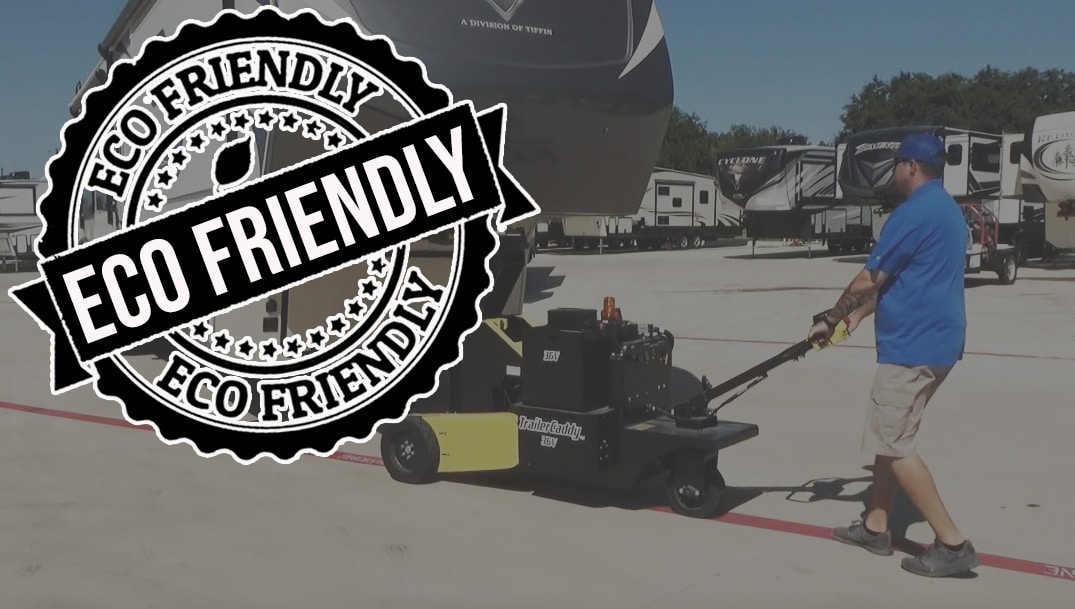
Battery-powered material handling equipment can reduce manual pushing for compatible loads. To evaluate potential savings, compare the complete operating costs for the equipment and task.
Compare operating costs
Include purchase price, charging, batteries, maintenance and movement time. Consider the load, route and number of trips per shift. Actual savings depend on the application; use your own operating records rather than a general return-on-investment promise.
Understand electric operation
An electric drive does not burn gasoline or diesel at the point of use. Charging still uses electricity, and batteries require appropriate care. Review the selected model’s charging instructions and available charging space before purchase.
Check incentive eligibility
Some programs support qualifying electric equipment or electricity use. Eligibility depends on the program, equipment and application. Purchasing an electric tug does not automatically establish entitlement to a quarterly reimbursement.
In California, consult the California Air Resources Board’s current LCFS guidance. Confirm the relevant equipment category, eligibility and reporting requirements with the program before including incentives in your budget.
Discuss the handling task
Explore DJ Products material handling solutions. Share your load, connection and route details with a sales engineer at 1-800-686-2651 or info@djproducts.com to compare suitable configurations.