Less than Truckload (LTL) Shipping – Is It Right for You?

Less than Truckload (LTL) Shipping - Is It Right for You?
Less than Truckload (LTL) Shipping – Is It Right for You?

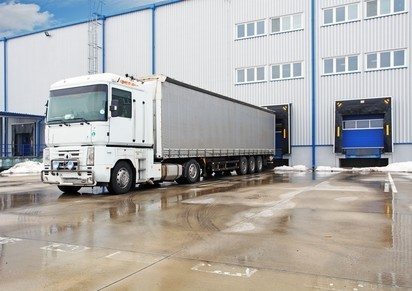
What’s in the trailer your terminal tractors are hauling? Less-than-truckload (LTL) shipping is on the rise due to its potential for cost savings. However, with a reputation for complexity, it’s not for everyone. Is it right for you?

LTL is Seen as Challenging for a Number of Reasons:

– More dynamics to juggle
Freight classification, cargo weight, and pallet count increases in complexity with LTL hauling.

– Benchmarking challenges
Direct comparisons with other shipping operations can be challenging.

– Ignorance to cost drivers
Accepting LTL at face-value, and not digging into shifting patterns of supply and demand, prevents businesses from realizing the true potential of LTL.

However with the Right Data & Pricing, LTL Offers Tremendous Potential
Tariffs, or rate bases, published by carriers on an annual basis, are commonly used in calculating shipping costs. LTL costs aren’t quite as cut-and-dry, however, with LTL carriers offering discounts. Making discounts negotiable (and in correlation with freight volume/revenue) is common. Minimums are also commonly negotiable.

Avoid Pricing Obstacles
The biggest obstacle to surmount in LTL classification and pricing, is avoiding overuse of FAK cargo designation on invoices. Obscuring shipment data by lumping it under this classification prevents you from gleaning essential data as to the specific classes of cargo shipped and relative cost, increasing the chance of inaccuracies.

Incomplete or obscure data is the proverbial wrench-in-the-works for LTL shipping ventures. Capturing essential data elements effectively is key to effectively calculating and streamlining pricing, as well as improving network efficiency and ensuring profit.

Are you equipped for LTL shipping success? Ease moves, improve speed and efficiency, and boost profit potential with the help of terminal tractors from DJ Products today.
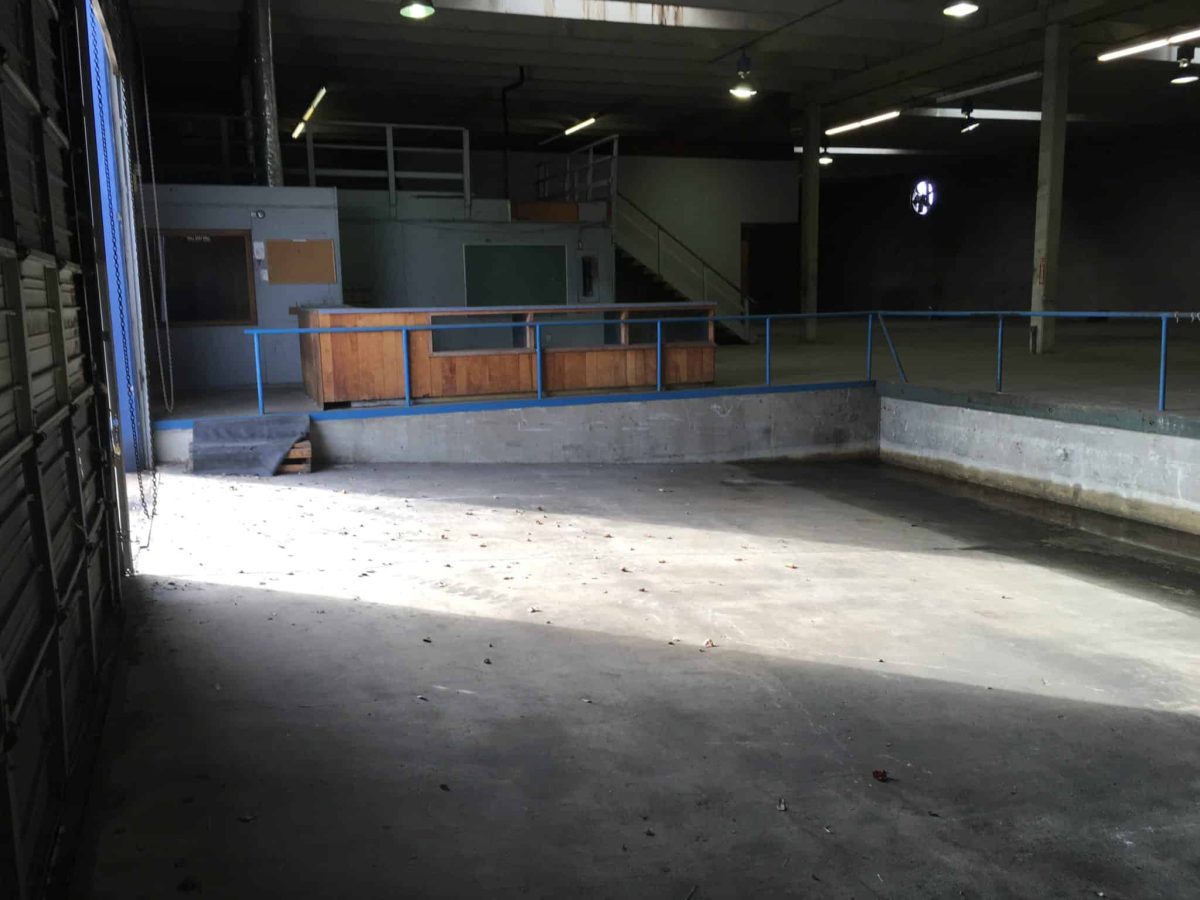
How to Keep Birds Away from Your Open Warehouse Dock Doors

How to Keep Birds Away from Your Open Warehouse Dock Doors

Birds may think your material handling equipment makes attractive perches, but a warehouse is no place for our feathered friends. In addition to being a nuisance, birds can create serious safety risks and impact productivity.

Here are some expert recommendations for products to help prevent birds from entering your open warehouse dock doors.

Netting

Netting is a great way to block birds while still allowing doors to remain open. Mesh is available in different sizes to accommodate types of birds prevalent in your area, and material is flame-resistant, rot- and water-proof.

Vinyl Strip Doors

Vinyl strips come in both standard and custom sizes to fit any type of door, interior or exterior. The flat strips overlap to provide a secure barrier, but they’re flexible enough to allow passage for workers and material handling equipment.

Bird Repellent Gel

Bird repellent gel is non-toxic to both humans and birds. The transparent, odorless substance works by making surfaces too sticky for birds to land on. There are several brands on the market, and the gel is applied easily with a standard caulking gun.

Sonic Deterrents

Birds are subject to a number of natural predators. Sonic deterrents use pre-recorded calls from these predators to send birds off in search of safer quarters. This product is made with UV-protected materials so it’s weather-resistant, and it includes a handy volume control.

Spikes

Stainless steel bird spikes have blunt edges, so they don’t cause physical harm. It’s simply more awkward for birds to land on a surface with spikes attached. The plastic base strips are flexible enough to allow mounting on curved or contoured surfaces.

Contact DJ Products for Your Material Handling Equipment Needs

Call 800.686.2651 to learn more about our battery-powered tugs, movers and pushers.

Five Summer Warehouse Staffing Tips

Five Summer Warehouse Staffing Tips

Is your business staffed and equipped to handle the holiday crunch? From Valentine’s Day to Christmas, every industry has its busy seasons. Now’s the time to start staffing and determining your need for material handling equipment – before mistakes that lead to shipment issues and injuries ruin your reputation.

Five Staffing Tips for Managing Seasonal Operations Employees:

1. Bring back the best.
Stay in contact with the best holiday workers from previous seasons, contacting them by phone, text or postcard to invite them to return. Bonus: These workers are already trained. Be sure to note the potential for a year-round position for top-performing candidates to encourage returns. A system based on attendance, productivity, and teamwork (over seniority) can fuel performance.

2. Enlist a skilled staffing agency.
A strong partnership with a temp agency can help you build your staffing resources. Look for providers who can supply you with workers in hours, if necessary. Aim to be a business BFF to top agencies to ensure top-quality employees. Keep staffing agencies on-point with a list of busy seasons, giving them as much notice for temporary labor as possible.

3. Involve team leaders with hiring.
Team-up with HR. You need more than warm bodies to build a skilled team.

4. Try a trial run.
Have test runs several times before peak season, identifying top performers and requesting their services for holiday spikes.

5. Pay well.
Pay rates above minimum wage are a huge motivator, weeding out those who don’t want to work in favor of quality staffers.

Stocked up on staff? Ensure both new and seasoned and employees have the material handling equipment they need for success. Prevent injuries and streamline your shipping operation with the help of DJ Products today.

Hotels and Bed Bugs – The Problem That Won’t Go Away

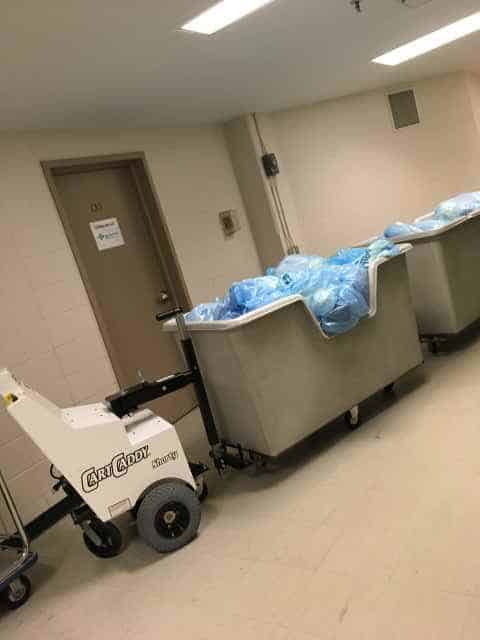
Tugger with Soil Bucket #1 (003)
Take Care When Handling Linens in Your Hotel in Case of Bed bug Infestation. Let Us Help You Minimize Contact!

If you operate a hotel, bed bugs are going to rear their ugly heads at some point. Cleanliness is your best prevention and legal protection. Since bed bugs mostly infest fabrics, hoteliers should consider powered hotel linen carts to keep up with laundry duties and give housekeeping more time to check around mattress edges to catch the problem early.

Travelers expect hotel staff to take bed bug reports seriously. Fast action goes a long way to keep people from blaming management for a problem that was probably brought in by the previous occupant of the room.

Know how to get rid of bed bugs so your staff can effectively treat infested linens, and so you can advise unhappy guests about what they can do to clean their own laundry when they get home.

– Wash linens, mattress covers, and other washable upholstery in the room on the hottest temperature for both the washer and dryer.

– Seal linens in a plastic bag and freeze them for a day to kill bed bugs and eggs.

– Hire an exterminator if you have blood spots or evidence of bed bugs nesting inside a mattress or box spring.

Stay On Top of Things with Powered Hotel Linen Carts

A little automation technology can keep your housekeeping staff full of energy and empowered to complete their duties quickly and efficiently. Our powered hotel linen carts can travel from 0–3 mph with ergonomic steering.

Bed bugs don’t have to be a devastating problem. Upgrade those heavy pushcarts with a battery-powered cart puller or a fully motorized linen cart so staff can complete daily tasks and respond to complaints quickly.

Explore the variety of hospitality carts from DJ Products and let us know if you have any questions!

Most Common Forklift Accidents and How to Prevent Them

Always Watch Out For Moving Equipment!

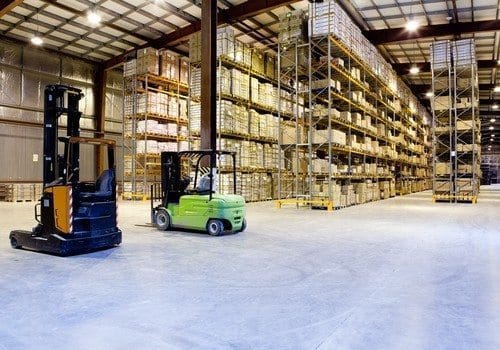
Where there are forklifts, there are forklift accidents. A person who is tired or distracted while operating one of these powerful machines can cause extensive property damage and serious personal injury. One of the best ways to prevent workplace accidents is by using the right material handling equipment for the job.

A large, bulky forklift is not always the best option for moving materials in tight areas where people are working. The following are the most common types of forklift accidents.

Forklift vs pedestrian

The pressure to achieve quotas and accomplish as much work as possible in a short amount of time can result in forklift operators driving too fast. Warehouses and production facilities have lots of obstacles and areas that pedestrians may walk from behind into the path of a fast-moving forklift.

Ongoing safety training is a must. Also, part of the routine maintenance of each forklift should include checking their maximum attainable speed. Speed governors can prevent the heavy machines from reaching high and potentially deadly speeds.

Forklift overturns

Approximately 22 percent of the people killed in forklift accidents are crushed by an overturning forklift. Overturns can happen when drivers make sharp turns at high speed. These fatal accidents can also happen easily when operating forklifts on uneven surfaces.

Proper forklift safety must be enforced. It is better to penalize an unsafe driver or revoke their forklift certification than have someone killed by their unsafe forklift operation. Loads should never be raised while the forklift is in motion. Forklifts should be driven straight up or straight down ramps at safe speeds.

At DJ Products, we specialize in providing you with the most efficient material handling equipment available to safely maximize manpower. Contact us today for a free demo.

Logistics Industry Tries to Boost Participation from Women

Having More Women In the Industrial Industry Has Its Benefits.

Our motorized trailer dollies are designed to be easily used by anyone, regardless of size or gender. Modern working conditions are just one of the strategies being used by trucking companies to recruit female employees in what is still a male-dominated industry.

Women Helping Other Women

In March, fleet management tech company Omnitracs sponsored an online roundtable discussion headed up by prominent women in the trucking industry. Talk centered on industry obstacles to recruiting women and ways to overcome them.

According to data gathered by Omnitracs, women make good drivers because:

– They stay with their companies longer than men do

– They travel nearly 1,000 miles per month more than male drivers

– They have fewer preventable accidents than men do

Educating Women About the Changing Face of Trucking

Ellen Voie, president and CEO of Women in Trucking, challenged the industry to dispel the misconceptions women may have about the truck driving profession.

– Thanks to modern technology, equipment is much easier to learn and use.

– With safety being a major concern for women, many truck stops have improved their facilities to be more female-friendly.

– Weeks-long stretches on the road are no longer the norm. Companies have slip-seating and other policies that allow drivers to be home more often.

According to Sherri Garner Brumbaugh, president and CEO of Garner Trucking, selling the job itself is only part of the process. Companies need to offer mentors and peer support to help women manage the lifestyle of a career in trucking.

DJ Products: Making Your Workplace Safer and More Productive

No special license is required to operate motorized trailer dollies such as our Electric Yard Dog. Learn more from our sales engineers by using our handy online chat feature.

Improve Productivity of Your Order Pickers – Part Two

Improve Productivity of Your Order Pickers

When it comes to warehouses, lean and mean is the order of the day. Faced with flat or negative growth, supply chain executives are turning to updated material handling equipment and other strategies to reduce labor costs while maintaining high levels of customer service.

Here is the conclusion of our two-part look at effective tips to improve order picking efficiency.

How to Maximize Order Picking Productivity

Set Up “Hot Zones”

In an earlier tip, we talked about the importance of reducing the amount of time it takes order pickers to travel through the warehouse. One way to do that is to set up “hot zones” where higher-velocity items are concentrated.

Some companies find it useful to implement an ABC analysis that assigns items to one of three categories based on velocity. Another option is to widen the aisles where the higher-velocity items are located to prevent congestion from multiple order pickers.

Use Appropriate Storage Media

Warehouse efficiency can be measured by the number of times an item is handled from the time it arrives until the time it leaves. That rate goes up when product is stored in the wrong media, such as when slow-moving SKUs are slotted in pallet racks.

Cube movement velocity is calculated by movement in units times cubic dimensions. Use this metric to determine the optimum storage medium for each SKU.

Quality Material Handling Equipment for All Applications

Our battery-powered material handling equipment lets a single worker safely and quickly move loads weighing thousands of pounds. We have a full line of tugs, pushers and movers, including models that can accommodate awkward loads such as drums and carpet rolls.

Visit our website to learn more from a helpful member of our sales engineer team.

Improve Productivity of Your Order Pickers – Part One

Improve Productivity of Your Order Pickers

In order to stay competitive and counteract flat sales, supply chain executives are being tasked with reducing labor costs while customers are ordering more frequently in smaller quantities. State-of-the-art material handling equipment is a start, but what’s the rest of the solution?

How to Maximize Order Picking Productivity

A majority of your workforce is involved in order picking, so that’s a logical place to look for areas of improvement. Here are some valuable tips for improving order picking efficiency.

One SKU per Pick Location

Each SKU should have its own individual pick location. The importance of this principle can’t be overstated. Studies show that multiple SKUs at one location can add 15 seconds per transaction.

Some warehouses slot as many as 10 SKUs in one bin location. Not only does this practice add time to the order picking process, it increases the chances of mispicks.

Implement Batch and Cluster Processes

At least half the time of an order picking job is spent in travel. With the average order coming in smaller quantities, this is a perfect opportunity to combine multiple orders that can be completed in a single pick cycle.

Pick Horizontally, Not Vertically

It’s a time-tested fact that it costs more to pick vertically than horizontally. Ideally, all pick facings should be at ground level.

Are you constrained by the dimensions of your warehouse? Wherever possible, slot the highest-velocity items at ground level and proceed vertically from lowest to highest.

Optimize Labor with Material Handling Equipment from DJ Products

Inferior material handling equipment in the warehouse can reduce both productivity and employee morale. Our best-selling CartCaddyLite and other electric tugs, pushers and movers are like adding another worker to the team.

Call 800.686.2651 for more information.

Tips for Planning a Warehouse Relocation

Tips for Planning a Warehouse Relocation

Whether you need a larger space, a more convenient location or a more affordable warehouse, relocating is a major move that requires careful planning. You need to ensure that all of your products, material handling equipment and other supplies are brought to the new place in good condition. Also, take care of practical matters such as adjusting your budget for the move. Keep the following tips in mind for planning your warehouse relocation:

Find the Right Location

This means weighing your options with your business needs and budget in mind. Look for locations that provide you with the space you need at a price that fits comfortably within your budget. Consider whether or not your move will require hiring new management and staff, such as if you go to a different part of the state or to another state entirely.

Keep Track of the Timeline

The amount of time it will take you to relocate depends on different factors, such as how large your business is. Plan out the steps you need to take in order to prepare for it, and keep track of the overall timeline. Work out a schedule that allows you and your staff to get everything ready for the move without having to rush.

Adjust Your Budget

Factor in expenses that you will be dealing with before, during and after the move, such as a recruitment budget for new staff. You might also need to budget for productivity loss as you move from one warehouse to another.

If you need to invest in new material handling equipment after your warehouse relocation, please contact DJ Products. We offer high-quality equipment that can help you run your warehouse as efficiently as possible.

Top Forklift Dangers and How to Avoid Them – Part Two

Top Forklift Dangers and How to Avoid Them

Have you provided your employees with top-of-the-line material handling equipment such as our CartCaddyLite? That’s a crucial step in maximizing productivity, but it’s only part of the answer. All workers should be trained to spot safety hazards and how to avoid them.

We recently listed the top three forklift dangers along with corresponding safety tips. In this post we’re concluding with a look at the last two of the top five dangers.

Falls from Forklifts

Not all forklift injuries and fatalities are caused directly by the vehicle. A fall from a forklift can have serious results, ranging from cuts and contusions to broken bones to death.

– Institute a zero-tolerance policy for lifting workers who are standing directly on the fork.

– Always use an approved lifting cage and make sure the platform is securely attached to the fork or carriage.

– Use rails, chains, body belts or other restraining devices for the worker on the platform.

– Always lower the platform before traveling.

Shoddy or Inconsistent Maintenance

Forklifts require maintenance just as any other motorized vehicle does. Accidents due to poor maintenance are doubly tragic because they could have been prevented. In addition, your company could be liable for negligence.

– At a minimum, follow the manufacturer’s recommended maintenance schedule. You may want to have more frequent inspections based on heavy usage.

– Pull a forklift out of operation immediately if any problems are found.

Turn to DJ Products for Safe and Efficient Material Handling Equipment

Our battery-powered tugs, movers and pushers are designed to let a single employee transport loads of up to 10,000 pounds, including irregular shapes and sizes. Visit our website and use the convenient online chat feature to learn more from our friendly and knowledgeable sales engineers.