Material handling equipment can help employees move loads with less manual pushing. Ergonomics considers how the task, equipment and workplace fit the people doing the work. This article introduces applications for powered carts, tugs and vehicle movers; its original publication date remains historical.
Review the handling task
Start with the load’s weight, wheels, connection and travel route. Record how often employees need to push or pull it. A powered mover must suit the load and operating conditions. It is not a general replacement for forklift lifting and stacking.
Choose equipment for the application
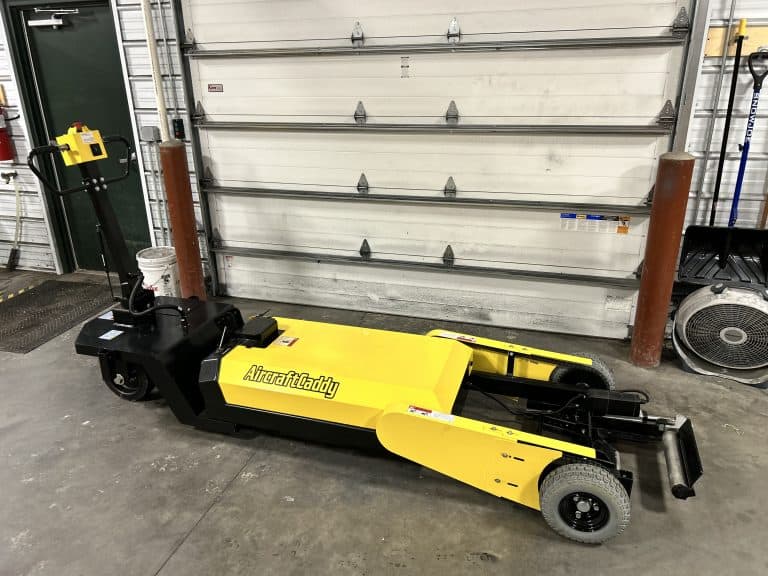
DJ Products carts and tugs serve a range of handling tasks. Compare model-specific capacities, controls and connections rather than assuming every unit shares the same features.
Applications include manufacturing, logistics, warehouses, hospitals, hospitality and retail. Consider aisle widths, thresholds and pedestrian traffic when planning a route.
Moving vehicles
Vehicle pushers and pullers can assist with compatible vehicles at service facilities or production sites. Confirm the vehicle’s weight, contact points and the selected mover’s limits before use. Controlled movement and suitable connections matter; equipment does not guarantee freedom from damage.
Include training and maintenance
Train operators for the chosen equipment and site conditions. Inspect the load, coupling and mover, and follow the manufacturer’s instructions. Review broader ergonomic hazards using OSHA’s warehousing guidance.
Contact DJ Products with your load details and route information to discuss a suitable configuration.