How Ergonomics Directs Force

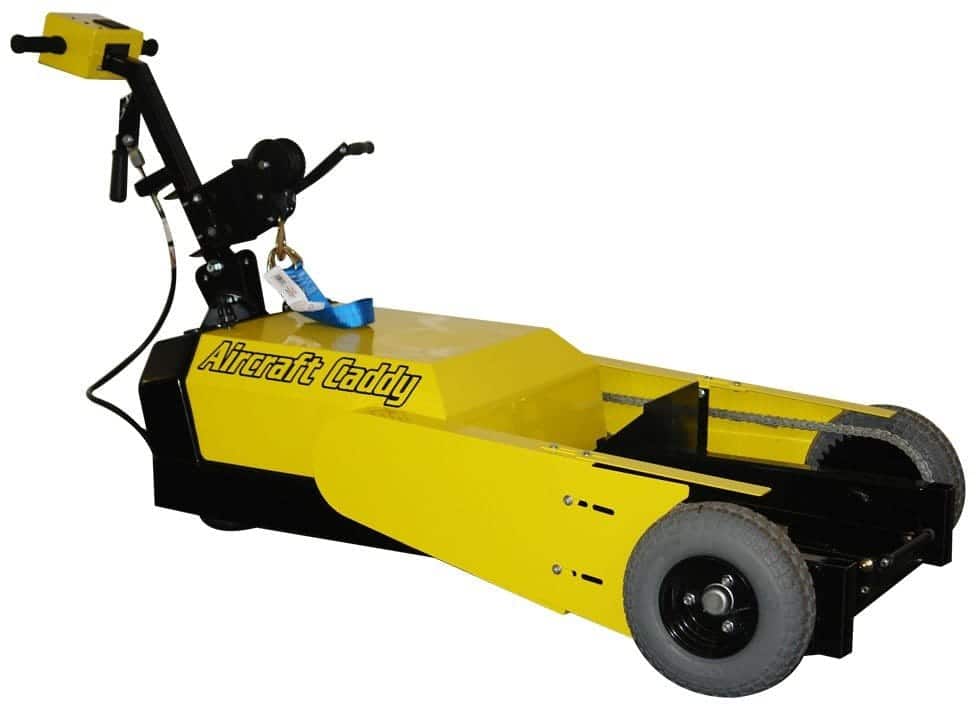
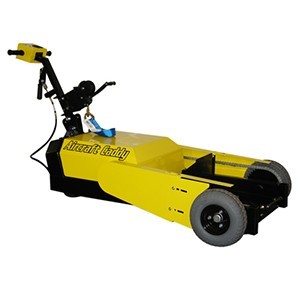
AircraftCaddy 4K-8K Aircraft Tow
Muscling an airplane out of a hangar and onto the runway takes a fair amount of physical effort. Exert just a little too much force while your body twists during maneuvering and you could be spending weeks at the chiropractor. Ergonomic design directs force with maximum efficiency. When applied to aircraft tugs like Lindy’s motorized AircraftCaddys, ergonomic design allows airplane owners and FBO ground crews to move aircraft with minimum physical effort, significantly decreasing the risk of muscle strain and injury.

Think about the forces at work when you push and pull an aircraft out of the hangar and onto the runway. Four forces come into play:

  • Starting force. The greatest effort is required to initiate movement. Considerable effort must be exerted to overcome resistance created by inertia, friction and gravity. Greater force is always necessary to start or stop a wheel turning than to keep that wheel in motion.
  • Sustained force. Also called rolling force, sustained force is the effort required to keep a moving object in motion. Once a towed aircraft is moving at a constant rate of speed, inertial resistance falls nearly to zero. Some effort may be required for maneuvering — slowing down, speeding up or turning — but little effort is required to keep the plane moving.
  • Turning force. When an aircraft is turned, two forces create difficulty. Inertia must be overcome to accelerate in a new direction, and friction between the ground and wheel must be overcome. Because momentum will want to keep the plane traveling in its original trajectory, significant force must be applied to change direction. Turning often results in asymmetric and uncomfortable body postures, over extension and overexertion that can result in injury.
  • Stopping force. As with starting, the same forces must be counteracted to bring a rolling object to a full stop.

Lindy’s motorized AircraftCaddys use ergonomic design to mitigate force and reduce injury risk.

Browse our selection of quality, American made aircraft tugs

New Aircraft Designs Shelved to 2030

Small aircraft
The Future of Aircraft

If you have been dreaming of the return of supersonic jets and the introduction of all-electric aircraft, there is no need to hold your breath. While the aviation industry has plenty of innovations and advancements on the horizon, bigger changes are mostly getting shelved until 2030.

Boeing, Airbus and others continue to periodically release new passenger jets, but the trend is clear: small tweaks and redesigns, not brand-new platforms.

The focus on new aircraft features:

  • Increasing fuel efficiency
  • Applying recent technologies to other models in a manufacturer’s line
  • Upgrading or changing engines on existing models

Demand is high, but risk appetite is low

Aviation sales are booming worldwide as airlines in the Eastern hemisphere blossom and all airlines enjoy low fuel prices for the moment. Manufacturers are shipping many thousands of their latest models every year.

For many makers, however, their last forays into groundbreaking new designs resulted in flops. At the Farnborough International Airshow, for example, Boeing indicated that their sluggish progress on the 787 Dreamliner made them more averse to investing in risky innovation.

The demand for new planes with new technology remains high, and thankfully there is plenty to like about the current offerings. Composite wings and fuel-efficient upgrades have provided significant advances. Boeing’s 777X will benefit from tech created for the Dreamliner, for instance.

In a decade and beyond, new planes will start arriving. In the meantime, you can get your hands on tech like our small aircraft tug to make moving planes in and out of the hangar simpler and more efficient.

Learn more about our small aircraft tug and aviation equipment at DJProducts.com.

We’re Watching Warehouse and Logistics Trends for 2016 for You

Finance and accounting concept
Warehousing Trends for 2016

Industry trends serve to prepare for changes. Every business adopts change and technology at different paces, but many trends will eventually inform the new reality for us all. In 2016, the warehouse and logistics industry looks forward to beneficial disruption — especially in terms of technology that boosts efficiency.

At DJ Products, we help warehousing and logistics providers with automated material handling equipment. Devices like our warehouse tugs and powered pushers help close the gap between operational efficiency and the rigorous demands of profitability.

For 2016, the folks at Logistics Viewpoints have already identified several major warehouse and logistics trends to watch:

  • Sustainability will eventually be a part of your mission. Private companies can avoid public pressure longer than larger, publicly-traded companies. But emissions standards and landfill reduction will become a necessary action — and there are ways to find ROI for those efforts.
  • Omni-channel logistics is your next big move in fulfillment. As legacy software gradually becomes replaced, omni-channel technology will become the norm and business strategies will adapt to integrate.
  • Warehouse automation keeps disrupting. Warehouses continue to innovate with robotic and motorized tools such as warehouse tugs and powered pushers. This tech is now necessary to meet the demands of e-commerce efficiently.
  • Crowdsourcing will disrupt transportation. For delivery and transportation, many warehouses would be wise to leverage one of the new Uber-inspired outsourced delivery innovators instead of investing in in-house fleets and TMS.

Follow our blog to stay on top of the trends in 2016 and beyond. Ready to implement automation tools for warehouse and logistics efficiency? Visits DJProducts.com to learn about our warehouse tugs and powered pushers.

Healthcare Industry Needs More Cybersecurity Professional

Female Scientists or Doctors Using Microscopes in a Laboratory
Under The Microscope

The healthcare industry finds itself under the microscope for serious cybersecurity risks. Health consumer data has been the top target of data breaches for years, and in 2015 approximately one-third of all data theft occurred in healthcare.

Top talent in cybersecurity gravitates toward tech and finance industries, leaving healthcare employers lacking in human resources. Tech Republic explains the cybersecurity worker shortage:

  • 4 out of 5 cybersecurity jobs require both a bachelor’s degree and three years of experience.
  • In addition to IT skill sets, cybersecurity requires accounting and finance knowledge.
  • HIPAA and other regulations make the job description even more unique.
  • Cybersecurity demand has outpaced the talent supply in recent years, with jobs more than doubling since 2010.

Leveraging Technology for Your Healthcare Business

The health sector has vastly benefited from tech including telemedicine and electronic records. Making use of emerging tech requires a shift in personnel and expenses, however. Especially considering the enormous risks associated with being liable for a consumer data breach.

Most healthcare businesses need to shift additional resources toward IT and cybersecurity. One source of cost cutting: reducing operations expenses.

Powered hospital carts are a great example of a reasonable investment that boosts efficiency and potentially reduces labor costs. Nurses and janitors can use powered hospital carts to perform daily tasks more quickly.

Automated linen carts and medical equipment movers also reduce the risk of workers compensation claims and time lost due to injury, thanks to a reduction in repetitive stressful tasks.

Contact DJ Products to learn more about powered hospital carts that improve performance and your bottom line — so you can make wise investments elsewhere.

Top Trends for 2016 for the Hospitality Industry

The grandmother with the grand daughter
Hospitality Trends

Hotel management has become “largely a science, not an art,” says Bob Rauch, president of the consulting firm RAR Hospitality. Analytics, technology, and responding to disruption rule the game. In 2016 and beyond, hotels can expect plenty of pressure — and growth opportunities — stemming from industry trends.

Hospitality Trends in 2016

From online marketing to amenities for tech-savvy guests, hotel management has already been focused on modernization. In 2016, the millennial crowd especially will drive these changes.

  • Digital marketing: from video ads to online travel agents, hotels need to get involved on the digital scene. You need your brand in front of the right eyeballs, almost at any cost.
  • Personalized service: younger customers are choosing hotels with open lobbies, friendly bars and restaurants, and a personalized touch from guest services.
  • Capital expenses: With the economy strong and fuel prices low, the travel industry has money coming in. Use it to renovate or purchase equipment (like powered hospitality carts for housekeeping).
  • Anticipate disruption: Hotels can stay strong in the face of Airbnb and other disruptors by improving amenities and quality of service.

Staying Profitable and Relevant

To succeed in 2016, hotels need to deliver a fantastic experience that will have customers raving on social media.

Answer the demand for personalized service with better housekeeping and customer service solutions that let your staff respond better to guests’ requests. Powered hospitality carts keep employees energetic and efficient, and rooms cleaned and turned over more quickly.

Stay ahead of the trends and stand out from the competition this year. Contact us at DJ Products to learn more about housekeeping carts and other hospitality equipment.

Strong Growth in Trucking Industry Boosts Warehouse Growth

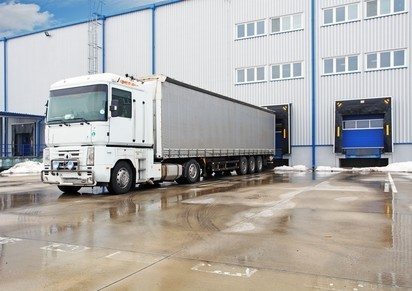
Unloading big container trucks at warehouse building
Growth in Trucking and Warehousing

The 2015 jobs data shows steady growth across every component related to the warehousing industry. Small gains in manufacturing have bred considerable growth in warehouse and trucking employment numbers. As truckers overcome a job shortage and retail regains its strength, warehouses sit in the middle of a very bullish market.

The Bureau of Labor Statistics reported marked growth in trucking jobs in 2015, including the addition of more than 7,000 jobs in a strong June. Warehouse facilities added thousands more jobs as the overall unemployment numbers continued to fall.

Market Growth and Your Warehouse

Distribution centers have found greater success in recent years thanks in part to improvements in logistics and technology. The Wall Street Journal report on warehouse job growth points to a new giant Nike logistics center in Memphis (now the largest warehouse in the apparel giant’s system) as a symbol of the industry’s growth.

To tap into this growth potential, warehouses are focusing on slimmer, smarter operations. To control costs as labor needs rise, managers must also find safety solutions that keep employees healthy, working, and away from workers compensation claims.

Automated solutions such as our motorized caddy for industrial carts can help streamline warehouse operations and protect workers from injury.

  • Electric and battery-powered industrial carts for hauling equipment and inventory: reduce the neck, back, and lower body injuries associated with heavy loads and repetitive tasks.
  • Waste container movers: improve the waste removal process while avoiding musculoskeletal disorders associated with heavy lifting, throwing, and pushing.

Talk to us at DJ Products about industrial carts and automated solutions for better work environments and more sustainable, profitable growth.

Hospitals as the Newest Entrepreneurs Bodes Well for Patients

Hospitals are the Newest Entrepreneurs.

Better patient care and innovative methods — hospitals today are finding these not only helpful but necessary to sustain business in the current healthcare market. Providers are shifting from a focus on maximizing the volume of services toward a new focus on improving the quality of services. 

U.S. News & World Report finds that an entrepreneurial trend has taken over at hospitals in order to innovate and thrive in this complex and competitive industry. Many hospitals are finding new CEOs in the form of industry outsiders or doctors with a distinctly entrepreneurial mindset.

Hospitals need innovative leaders to help manage the organization through a number of changes. The Affordable Care Act has drastically altered the payment model, and profitability depends on a new set of parameters. The public has more options than ever, including low-cost walk-in clinics at retailers and pharmacies. 

Ultimately, hospitals need radical changes and visionary business leaders to handle these changes and figure out how to deliver higher quality patient care with well-managed costs.

For patients, this means that healthcare providers are trying to lower the cost of care while also shifting the focus toward patient satisfaction. When the healthcare business model is value-based rather than volume-based, patients win.

One way that hospitals can lower costs and improve their bottom line: making day-to-day operations more efficient. At DJ Products, we make industrial tugs for hospital equipment carts so employees can move linen carts and heavy supplies faster and with less risk of worker injury. Over time, industrial tugs improve productivity and lower operating costs.

Visit DJProducts.com for more information about hospital cart movers and industrial tugs.

Welcome to Lindbergh Aircraft Tug Company Blog

In the spirit of innovation that marked Charles Lindbergh’s historic flight across the Atlantic Ocean in 1927, Lindbergh Aircraft Tug Company was launched to serve the aviation industry shaped by the famed aviator’s achievements. Located in Little Falls, Minnesota, Lucky Lindy’s childhood home, Lindbergh Aircraft Tug Co. is dedicated to manufacturing high quality, industrial strength, ergonomically designed aircraft tow tugs for the small aircraft towing and aviation industry.

Lindy’s AircraftCaddys are competitively priced and more cost effective to operate than traditional lawn mower train tow vehicles. Ideal for individual, FBO or corporate ground operations, Lindy’s family of aircraft tugs are capable of towing up to 35,000 pounds. Compact design, one-person operation and superior maneuverability make Lindy’s aircraft tugs the perfect solution for small ground operations, tightly stacked hangers or airplane ramp staging.

Lindbergh Aircraft Tug Co. is a subsidiary of DJ Products, Inc. DJ Products is the world leader in the manufacture of battery-powered, walk-behind tow tugs for the manufacturing, hospital, retail, government and automotive industries. Ergonomically designed to take the pain and strain out of manually moving heavy carts and wheeled equipment, DJ Products’ innovative powered tugs and carts are less costly, more maneuverable and more cost efficient to operate than traditional forklifts or pallet jacks. For information on the complete line of DJ Products’ ergonomically-designed material handling caddies, please visit them at www.djproducts.com.

Development of Lindbergh Aircraft Tugs was born from years of hands-on design and manufacture of thousands of powered carts for diverse applications at many Fortune 500 companies, including Boeing, GE, Ford, GM, Exxon Mobil, Caterpillar, Cardinal Health, Wal-Mart, Proctor & Gamble, Johnson & Johnson and Home Depot. Lessons learned in a broad range of challenging material handling applications were honed and applied to the unique needs of the aviation industry to create a new line of innovative aircraft tugs and tow tractors: Lindy’s Aircraft Caddys .

We hope you’ll join us in this space as we share news, discussion and insight on topics of interest to the aircraft towing and aviation industries, including:

  • How ergonomics can improve worker health and workplace safety.
  • How the Obama administration’s push to expand and tighten OSHA regulations will impact your business.
  • New trends in the aviation industry.
  • Innovative material handling solutions to common industry problems.
  • Tips for staying competitive and growing your business.
  • Useful suggestions for cutting costs and improving your bottom line.

Bookmark this blog and visit us frequently for useful, up-to-date information on the aircraft towing and aviation industries.

Feds Fund Initiative for “Hospital Medicine”

All for the treatment of the patient.
Investing in Medical

Infrastructure upgrades represent the biggest area of need for healthcare expansion in India, and the government there is committing major investments in 2016 and beyond. The country plans to expand health facilities in small and mid-tier cities to meet rapidly growing demand — and also become an international destination for healthcare in Asia.

The push by Indian officials highlights the importance of investing in hospital equipment. The country needs more infrastructure to provide basic care in an enhanced environment complete with medical data tracking, patient discharge services, and other markers of modern medicine.

Just as health providers in the US seek to gain a competitive advantage in the marketplace, Indian hospitals will seek to become a “hub” of healthcare for its region.

Advanced Technology Driving Success in Healthcare

At DJ Products, we know how advanced equipment can propel a hospital’s quality of care with improved service and efficiency. Our powered hospital carts replace the labor manually pushing linen and equipment carts. The repetitive tasks lead to chronic aches and pains for employees, lost time due to injuries, slow rounds, and ultimately higher costs.

Powered hospital carts reduce costs and improve care by making it easier for fewer employees to complete their regular tasks.

Whether your healthcare facility prioritizes cost reductions, personalized care, or even health tourism, the right equipment enables your goals. We offer powered hospital carts including linen carts, platform caddies, dialysis cart movers, and more.

For more information about ergonomic, motorized equipment for the healthcare industry, get in touch with us at DJProducts.com and find solutions that will drive your business in the increasingly competitive health market.

The Face of Travel for 2016

MWS-DSCN1812
Travel and Hospitality

Low fuel prices and increasing market competition will spell changing attitudes among travel industry companies and consumers in 2016, Jay Rein recently explained to Travel Pulse. As travelers hit the road and skies more, businesses will need to get creative to increase market share.

Rein, of the software solutions provider EPAM Systems, outlines the changing face of travel in 2016:

  • Airfare wars will increase due to low fuel costs
  • Consolidation and emerging companies will compete on pricing and service bundles
  • Optional features may be added as standard amenities to attract consumers’ attention
  • Technology will become more integrated into every step of the travel experience

Tips for the Hospitality Industry to Gain Customers in 2016

Customized experiences and integrated tech will be major sources of change in the travel industry. An airline might offer in-flight Wi-Fi and gourmet food, while hoteliers and other hospitality industry leaders will have to find their next differentiator.

Hotels can tailor the guest experience with enhanced services such as early check-in and late check-out. Common areas are becoming more like dynamic spaces for dining, wireless computing, and casual gatherings that better suit today’s travelers.

At the heart of the changes: technology that makes it affordable for companies to offer attractive features. Our own powered hospitality carts are one tool that help hotels streamline housekeeping and janitorial work. When employees can efficiently clean rooms on-demand and respond to maintenance needs with less physical strain, the customer experience can be upgraded.

For more info about powered hospitality carts that can help move the needle for your operations efficiency and service capabilities, contact us at DJProducts.com.