
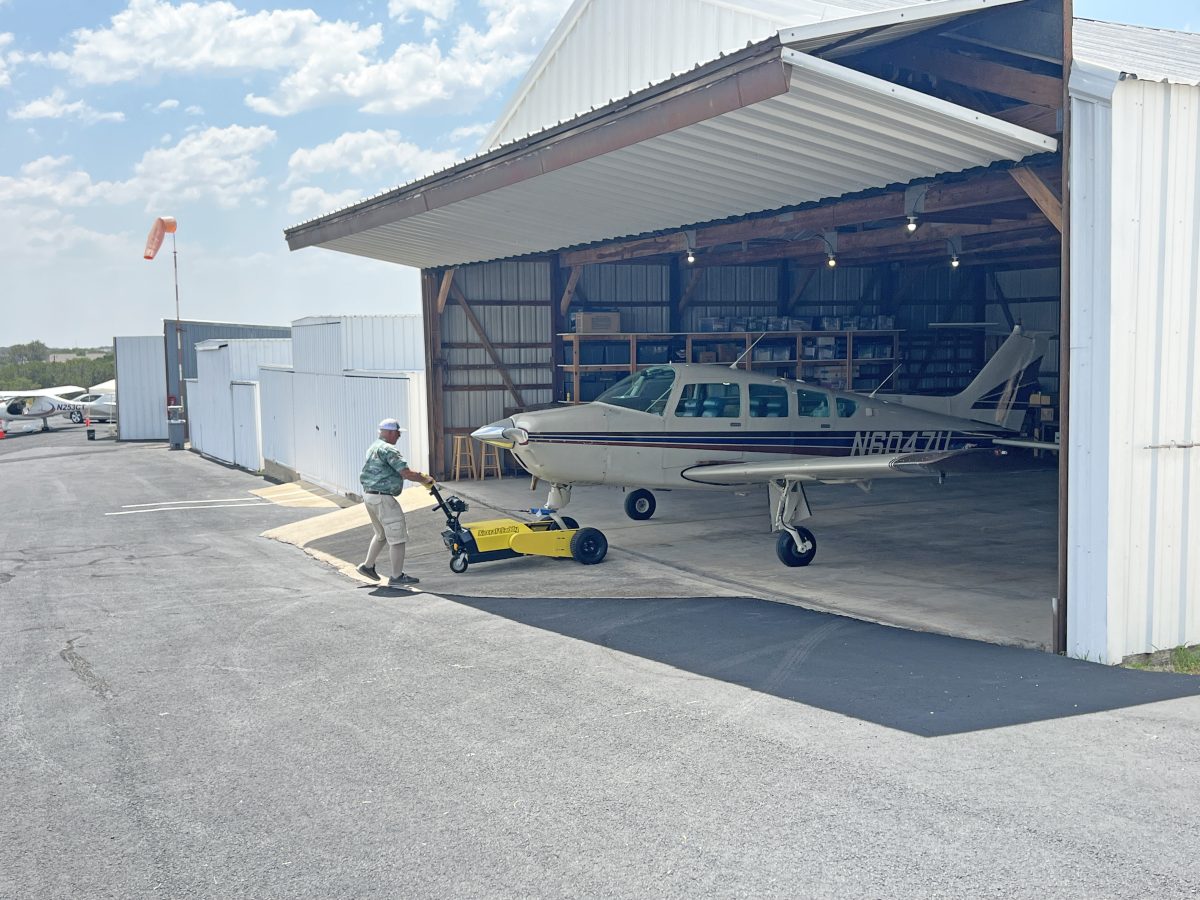
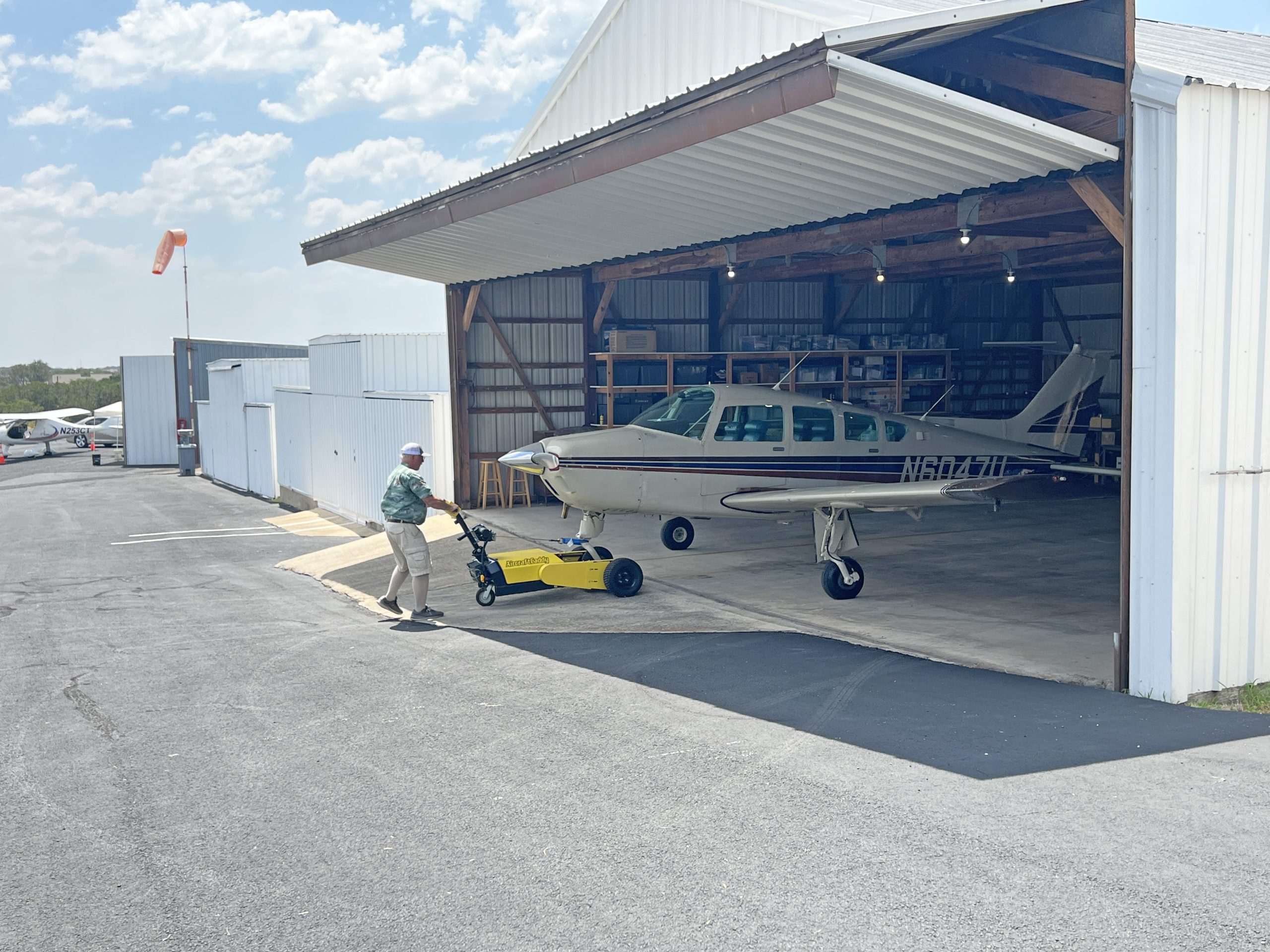
A small aircraft tug can reduce the manual effort involved in moving an aircraft into or out of a hangar. Choosing the right AircraftCaddy starts with the aircraft and its ground-handling requirements, rather than a single capacity figure for the entire product family.
Match the tug to the aircraft
Confirm the aircraft’s actual moving weight, nose-wheel or tow-bar connection, wheel dimensions and ground clearance. Check the aircraft manufacturer’s towing instructions as well as the tug’s limits. A model suitable for one aircraft may not fit another with a different landing-gear arrangement.
Compare AircraftCaddy models
DJ Products offers several AircraftCaddy aircraft moving solutions. Capacities, connections and controls vary by model and configuration. Ask a sales engineer to confirm the appropriate unit rather than treating the highest family capacity as the rating of every small aircraft tug.
Plan the hangar movement
Measure the door opening, wing clearances, turns and parking location. Include ramps, thresholds and changes in surface when reviewing the route. Keep people clear of the movement path and follow the site’s procedures. Rain, ice or snow can change traction and stopping conditions; suitability must be confirmed for the chosen equipment.
Review controls and charging
Battery-powered operation provides an alternative to manual pushing. Review the selected model’s speed control, braking, coupling and charging requirements. Train operators before use and complete the recommended inspections. Battery runtime depends on the load, route, use and battery condition.
Request an application review
Share the aircraft make and model, moving weight, landing-gear details and hangar route with DJ Products. The team can review fit and configuration before you choose a tug. For customer experiences, see the published customer testimonials; evaluate each in the context of its specific application.