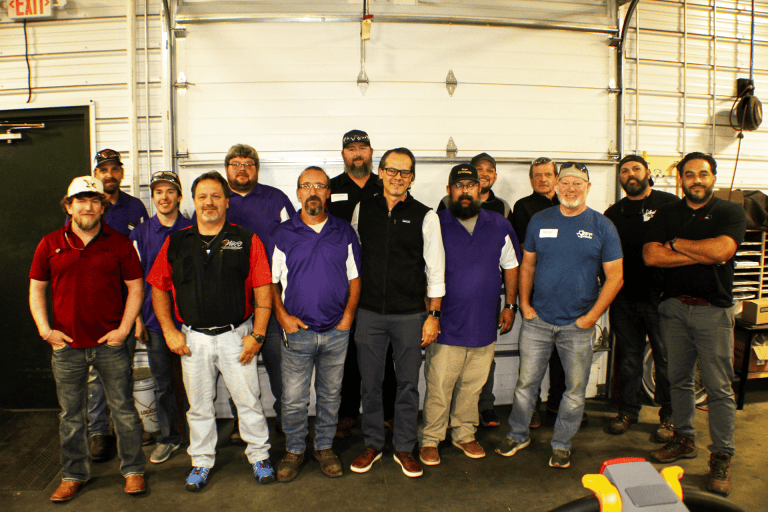
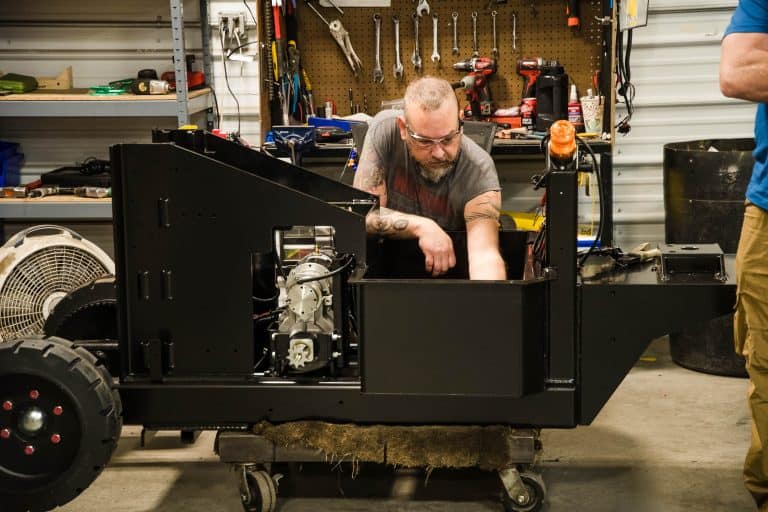
A warehouse staffing plan should account for workload, training and the people doing the work. No employment model guarantees profitability, and a past company example does not establish the outcome for your operation.
Define the work and responsibilities
Identify the tasks, skills, supervision and equipment involved. Allow time for orientation and task-specific training rather than assuming that prior experience covers the hazards at a new site.
Include temporary workers in the safety plan
OSHA’s temporary-worker guidance explains the shared roles of staffing agencies and host employers in protecting supplied workers. It recommends clear communication about responsibilities and treating temporary workers like other workers in training and safety protections.
Listen and evaluate
Ask workers about unclear instructions, difficult tasks and equipment concerns. Review the actual workload and the results of changes before drawing conclusions about productivity, turnover or cost. Select handling equipment against the task and operating conditions, with appropriate training for everyone assigned to use it.
Discuss your material handling application
For equipment selection, contact DJ Products with the load, connection, route and operating conditions. Confirm the limits and training requirements for the specific unit before use.